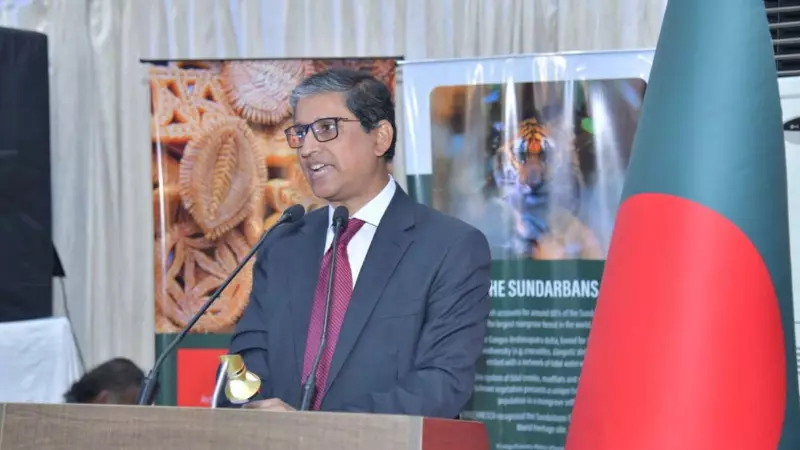
The Ministry of External Affairs (MEA) has taken a serious diplomatic step by summoning the Bangladesh High Commissioner to India, M Riaz Hamidullah, to express grave concerns over the security of the Indian High Commission in Dhaka. This action, reported on December 17, 2025, comes against a backdrop of escalating tensions and provocative anti-India statements from political figures in Bangladesh.
Diplomatic Summons Amid Rising Tensions
The summoning of the Bangladeshi envoy is a direct response to what India perceives as a deteriorating security environment in Bangladesh. The MEA specifically highlighted its apprehensions regarding the safety of the Indian diplomatic mission in the capital, Dhaka. Officials drew the High Commissioner's attention to the activities of certain extremist elements who have publicly declared intentions to create a security situation around the Indian Mission.
This development is not isolated. It follows a recent incident where Indian High Commissioner to Bangladesh, Pranay Verma, was summoned by the interim government in Dhaka just two days prior. That summons was in reaction to statements made by former Prime Minister Sheikh Hasina, which the interim administration deemed provocative.

Trigger: Anti-India Rhetoric from NCP Leader
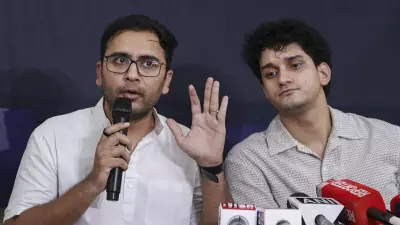
The immediate trigger for India's diplomatic move appears to be a series of sharp comments made by Hasnat Abdullah, a leader of Bangladesh's National Citizen Party (NCP). Known for his outspoken stance against India, Abdullah recently delivered a public speech containing strong anti-India rhetoric.
In his address, Abdullah issued a warning, stating that if Bangladesh faced destabilization, it could respond by isolating India's Northeastern states, often referred to as the Seven Sisters. He further suggested that Bangladesh might offer shelter to separatist groups operating in the region. These remarks have significantly contributed to the current climate of tension between the two neighboring nations.
India's Firm Rejection and Call for Action
In its official statement, the MEA presented a firm and clear position. The ministry stated, "India completely rejects the false narrative sought to be created by extremist elements regarding certain recent events in Bangladesh." This indicates New Delhi's dismissal of the accusations and narratives being propagated by figures like Abdullah.
Furthermore, the statement expressed disappointment with the Bangladeshi interim government's handling of the situation. The MEA noted it was "unfortunate that the interim government has neither conducted a thorough investigation nor shared meaningful evidence with India regarding the incidents." This points to a perceived lack of cooperation and transparency from Dhaka in addressing India's security concerns.
The diplomatic exchange underscores the fragile state of bilateral relations at this juncture. The summoning of an envoy is a formal diplomatic tool used to register strong protest and concern, signaling that India views the threats to its diplomatic premises and personnel with utmost seriousness. The situation calls for immediate de-escalation and concrete assurances from Bangladeshi authorities to ensure the safety and security of Indian diplomatic staff and property in Dhaka.