India Clarifies Position on UN Statement Condemning Israel's West Bank Expansion
The Ministry of External Affairs (MEA) on Friday clarified that the United Nations joint statement India endorsed, which condemned Israel's West Bank expansion, was not a "negotiated document" representing New Delhi's formal diplomatic position. This statement comes amid heightened diplomatic activity ahead of Prime Minister Narendra Modi's scheduled visit to Israel next week.
MEA Spokesperson's Official Statement
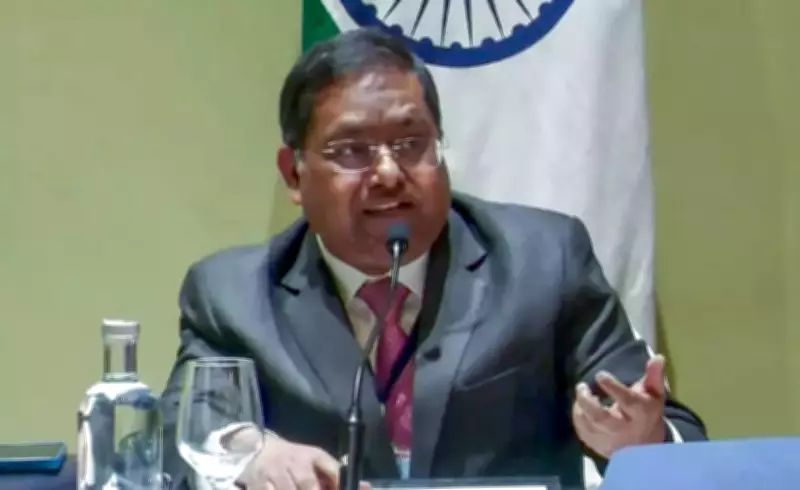
MEA spokesperson Randhir Jaiswal, quoted by news agency ANI, stated: "The statement referred to was not a negotiated document. Our position on this particular issue was expressed in the India-Arab League Ministerial meeting joint statement." This clarification broadly implies that India did not actively participate in drafting or negotiating the specific UN joint statement condemning Israel's West Bank expansion measures.
The bureaucrat's statement effectively distances India from direct authorship or agreement with the specific language of the UN condemnation, while maintaining consistency with previously expressed positions through other diplomatic channels.

India's Previously Expressed Stance
India's official position on the West Bank expansion issue was already articulated during the India-Arab League Ministerial meeting. That meeting laid out a broader vision for deeper bilateral ties while advocating for:
- A sovereign and viable Palestinian state living side-by-side with Israel
- Conducting international relations based on the principles of the UN Charter
- Peaceful resolution of conflicts through diplomatic means
The India-Arab League meeting had emphasized the fundamental importance of adhering to international law and the UN framework when addressing complex geopolitical issues in the Middle East region.
Context of UN Joint Statement
India was among more than 100 countries and international organizations that endorsed the UN joint statement condemning Israel's ongoing efforts to consolidate control over the West Bank. The statement, which India supported late Wednesday just before the deadline for joint condemnation lapsed, asserted that such measures:
- Violate international law
- Undermine ongoing efforts for peace and stability in the region
- Contradict Israel's obligations under international legal frameworks
The UN statement specifically declared: "We strongly condemn unilateral Israeli decisions and measures aimed at expanding Israel's unlawful presence in the West Bank. Such decisions are contrary to Israel's obligations under international law and must be immediately reversed."
Broader Diplomatic Implications
The statement further opposed any form of annexation, reiterating: "We reject all measures aimed at altering the demographic composition, character and status of the Palestinian Territory occupied since 1967, including East Jerusalem." This position aligns with longstanding international consensus regarding the status of occupied territories.
The timing of this diplomatic clarification is particularly significant as it precedes Prime Minister Modi's upcoming visit to Israel, during which he is expected to address the Israeli Parliament. The MEA's statement serves to clarify India's nuanced diplomatic positioning while maintaining relationships with multiple stakeholders in the region.
India's approach reflects its traditional balancing act in Middle Eastern diplomacy, maintaining strategic partnerships with Israel while upholding principles of international law and supporting Palestinian rights through established diplomatic channels.