

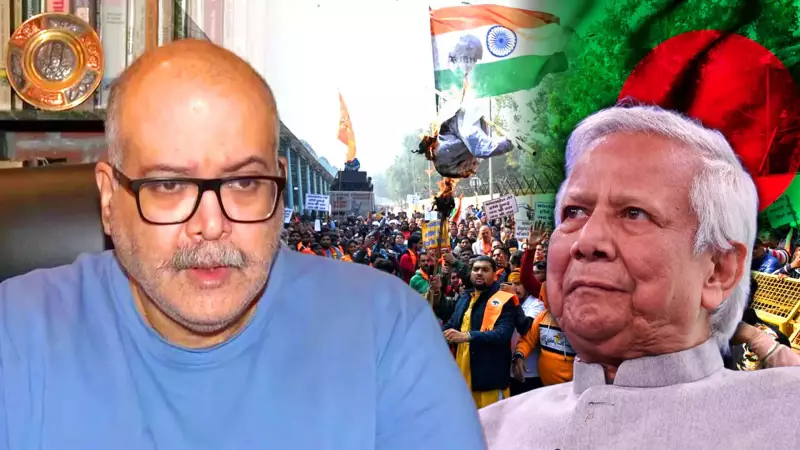
The political landscape in Bangladesh has been plunged into turmoil, presenting a significant challenge to Prime Minister Sheikh Hasina's government. The catalyst for this upheaval was the killing of a prominent political figure, Osman Hadi, an event that has exposed deep-seated political fractures and triggered widespread unrest across the nation.
A Nation Gripped by Political Unrest
Following the death of Osman Hadi, supporters of various factions have taken to the streets, their anger palpable. The situation has escalated to a point where key allies of the ruling Awami League, led by Sheikh Hasina, are threatening to withdraw their crucial support. There are loud, public demands for high-level resignations, putting the administration under immense pressure. The government's control appears to be weakening as mobs become increasingly difficult for security forces to manage.
India's Stance and Growing Security Concerns
Amid the chaos, narratives blaming external actors, particularly India, have begun to gain traction among certain groups. India has issued a firm and unambiguous rejection of any attempts to involve it in what it terms Bangladesh's internal crisis. Strategic experts observing the situation have pointed out that while Dhaka's official statements often cite external security threats, these claims are increasingly viewed with skepticism. Paradoxically, and more worryingly for New Delhi, the genuine security risks to Indian diplomatic missions and interests within Bangladesh are assessed to be rising. The volatile environment creates a perfect storm for anti-India sentiments to flourish.

Implications for Regional Stability
The unfolding crisis is not contained within Bangladesh's borders; it carries profound implications for the entire region's delicate balance. The stability of India-Bangladesh relations, a cornerstone of South Asian geopolitics, now hangs in the balance. Analysts warn that the current wave of instability could fundamentally reshape the bilateral relationship. The potential for prolonged unrest in Bangladesh poses a direct challenge to regional security and economic corridors, demanding careful diplomatic navigation from New Delhi.
The events of December 23, 2025, mark a pivotal moment. As the Yunus government struggles to regain its footing, the international community, and India in particular, watches closely. The path Bangladesh takes in the coming weeks will determine not only its own future but also the nature of its engagement with its largest neighbor, with lasting consequences for South Asia.






