

India Delivers Strong Diplomatic Protest to Iran Over Strait of Hormuz Incident
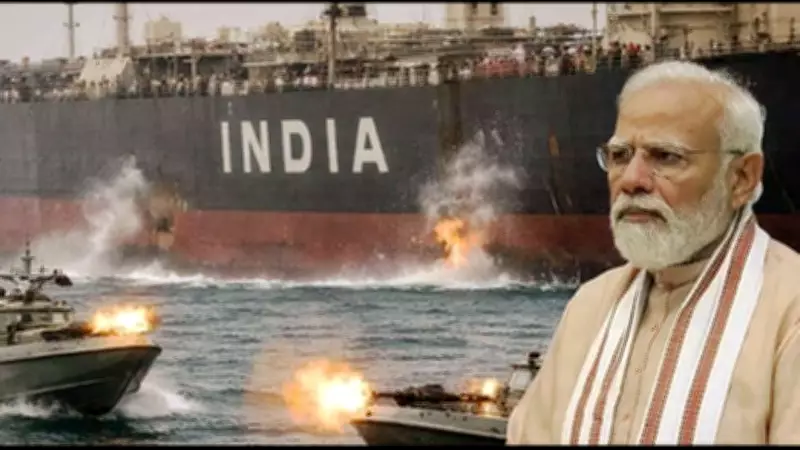
In a significant escalation of diplomatic tensions, India has issued a stern warning to Iran following an attack on two Indian-flagged crude oil tankers in the strategically vital Strait of Hormuz. The incident, which occurred on April 19, 2026, has prompted New Delhi to summon the Iranian ambassador and deliver a forceful protest regarding what Indian officials describe as an unacceptable threat to commercial shipping.
Details of the Maritime Confrontation
The two vessels targeted in the incident were identified as the Jag Arnav and the Sanmar Herald, both carrying Indian crude oil through the narrow waterway that serves as a critical global oil transit route. According to official statements from New Delhi, gunboats linked to Iran's Islamic Revolutionary Guard Corps (IRGC) fired upon the ships, forcing them to abort their journey and turn back.
While one of the tankers sustained minor structural damage from the attack, Indian authorities confirmed that there were no casualties among the crew members. The forced retreat of these commercial vessels represents not just a temporary disruption but a serious challenge to maritime security principles that India considers fundamental to its national interests.

India's Diplomatic Response and Strategic Concerns
The Indian government has taken the matter with utmost seriousness, immediately summoning the Iranian envoy to register a formal protest. During these diplomatic exchanges, New Delhi reiterated its firm position that threats to Indian commercial shipping are completely unacceptable and violate established norms of international maritime law.
Indian officials emphasized the critical importance of maintaining free and unhindered navigation through the Strait of Hormuz, which serves as a lifeline for global energy supplies. For India specifically, this waterway represents an essential artery for its energy security, with a substantial portion of the country's oil imports passing through these contested waters.
The timing of this incident adds another layer of complexity to already delicate regional dynamics, coming amid broader geopolitical tensions involving multiple global powers. India's response signals its determination to protect its economic interests and maintain the security of its maritime trade routes against any form of disruption or intimidation.
Broader Implications for Regional Security
This confrontation between Indian commercial interests and Iranian military forces highlights the ongoing volatility in one of the world's most strategically important maritime chokepoints. The Strait of Hormuz, located between the Persian Gulf and the Gulf of Oman, sees approximately one-fifth of the world's petroleum liquids pass through its narrow confines daily.
India's warning to Iran carries significant weight given New Delhi's growing economic and diplomatic stature on the global stage. The incident underscores how regional tensions can quickly escalate to affect international commerce and energy markets, with potential ripple effects across the global economy.
As diplomatic channels remain active between New Delhi and Tehran, the international community will be closely monitoring whether this incident represents an isolated confrontation or signals a more sustained pattern of maritime challenges in this critical waterway. India's firm response establishes clear red lines regarding the protection of its commercial vessels and energy security interests in the region.






