

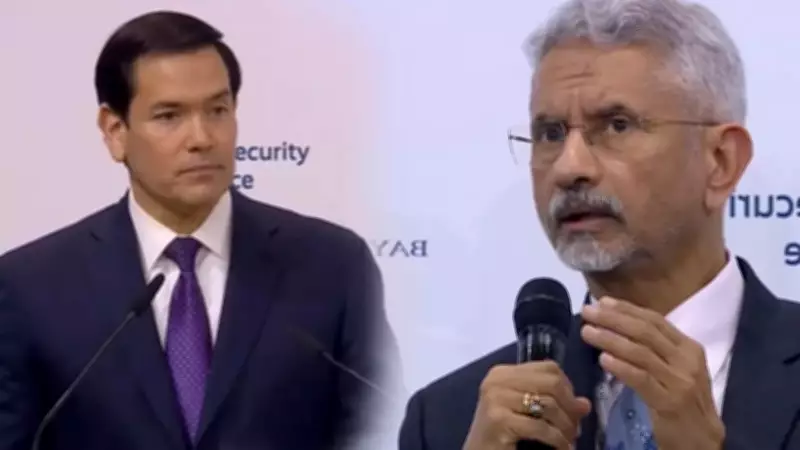
India Provides Assurance to US on Russian Oil Purchases, Says Secretary of State Marco Rubio
In a significant diplomatic development, US Secretary of State Marco Rubio has publicly stated that India has given assurances to the United States that it will not purchase additional Russian oil. This announcement comes as Washington intensifies its sanctions regime targeting Moscow's energy sector, aiming to cut off a crucial revenue stream for Russia during the ongoing war in Ukraine.
Commitment Made at Munich Security Conference
Speaking at the prestigious Munich Security Conference, Rubio detailed that discussions with Indian officials resulted in a firm commitment. He emphasized that this move aligns India with broader Western efforts to curb Russia's energy revenues, which are seen as vital for funding its military operations. "We have received clear assurances from India that they will not increase their purchases of Russian oil," Rubio stated, highlighting the cooperative stance taken by New Delhi.
Context of Western Pressure and European Actions
Rubio's comments are set against a backdrop of intensified US pressure on Russia over the prolonged conflict in Ukraine. Energy exports, particularly oil, have remained a critical source of income for Moscow, making them a focal point for international sanctions. The Secretary of State also noted that Europe has implemented measures to reduce its dependence on Russian oil, creating a unified front in the economic strategy against Russia.

This development underscores the delicate balance India maintains in its foreign policy, navigating relations with both the US and Russia while prioritizing its energy security needs. The assurance from India is viewed as a diplomatic win for the Biden administration, which has been lobbying allies and partners to tighten the economic noose around Russia.
Implications for Global Energy Markets and Diplomacy
The commitment has several key implications:
- Sanctions Enforcement: It strengthens the effectiveness of US-led sanctions by reducing potential loopholes in the global oil market.
- India-US Relations: This move may bolster strategic ties between Washington and New Delhi, despite previous tensions over India's energy imports from Russia.
- Russian Economy: Limiting additional purchases could further strain Russia's economy, which relies heavily on energy exports.
- Energy Security: India, as a major energy consumer, must now seek alternative sources to meet its domestic demands without increasing Russian imports.
As the situation evolves, observers will be watching closely to see how this assurance translates into actual trade patterns and whether it influences other nations in the region to follow suit. The announcement marks a pivotal moment in the complex interplay of global diplomacy, energy politics, and conflict economics.






