

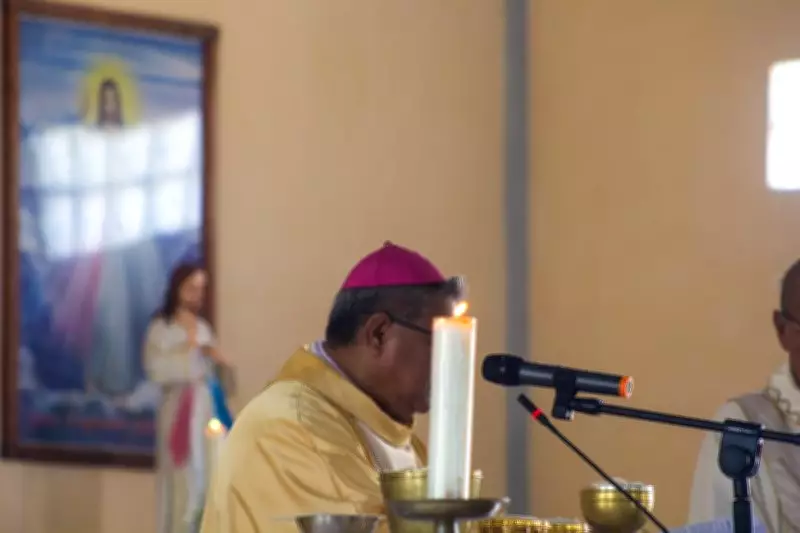
In a remarkable ecclesiastical appointment, a priest hailing from southern India has been named as the new Archbishop of Keewatin-Le Pas, a vast diocese encompassing Canada's remote northern regions. This historic move underscores the global nature of the Catholic Church and its commitment to serving diverse communities, including Indigenous populations.
A Journey from India's South to Canada's North
The newly appointed archbishop brings a rich background from his origins in southern India, a region known for its vibrant Christian traditions. His journey to Canada's far north represents a significant cross-cultural and geographical transition, highlighting the interconnectedness of the global Catholic community. This appointment is seen as a testament to his dedication and the trust placed in his leadership abilities by church authorities.
Serving Indigenous Catholic Communities
One of the primary responsibilities of the new archbishop will be to minister to the Indigenous Catholic communities within the Keewatin-Le Pas diocese. These communities, often located in isolated areas, face unique challenges and have distinct cultural practices. The archbishop's role involves not only spiritual guidance but also fostering understanding and respect for Indigenous traditions within the framework of the Catholic faith.

This appointment is particularly significant as it comes at a time when there is growing awareness and reconciliation efforts regarding the historical treatment of Indigenous peoples in Canada, including within religious institutions. The archbishop's leadership could play a crucial role in promoting dialogue and healing.
Challenges and Opportunities in the Far North
The Keewatin-Le Pas diocese covers an expansive and sparsely populated area, characterized by harsh climates and logistical difficulties. Serving such a region requires resilience, adaptability, and a deep commitment to outreach. The new archbishop will need to navigate these challenges while ensuring that pastoral care reaches all corners of his diocese.
This role offers a unique opportunity to bridge cultural divides and strengthen the faith among Indigenous Catholics, who have long been integral to the church's presence in northern Canada. It also highlights the increasing diversity within the Catholic hierarchy, with leaders from various parts of the world taking on key positions.
Implications for the Global Catholic Church
The appointment of an Indian archbishop to a Canadian diocese reflects broader trends in the Catholic Church, where leadership is becoming more international. This move can enhance cross-cultural exchanges and bring fresh perspectives to local ministries. It also underscores the church's mission to serve all peoples, regardless of their geographical or cultural backgrounds.
As the new archbishop begins his tenure, he will likely focus on building relationships with Indigenous leaders, addressing community needs, and promoting unity within the diocese. His background from southern India, with its own rich religious heritage, may inform his approach to ministry in this new context.
In summary, this appointment marks a significant moment for both the Indian diaspora and Indigenous Catholics in Canada, symbolizing hope for greater inclusivity and understanding within the global Catholic community.






