

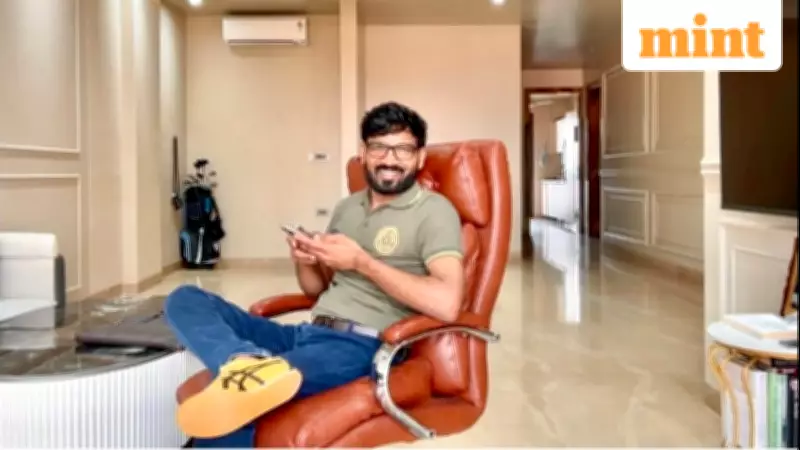
Indian CEO's US Visa Rejection Sparks Widespread Debate Over Social Media Screening
Jasveer Singh, the Delhi-based chief executive officer of the AI-powered matchmaking application Knot Dating, has become the center of a significant controversy after his United States visa application was denied. The official reason cited for the refusal was his perceived "weak ties to India," a justification Singh has labeled as both illogical and deeply ironic.
Entrepreneur Questions Visa Denial Logic
Singh, who has been an entrepreneur in India for thirteen years, publicly questioned the decision. He expressed confusion over why US authorities would doubt his intention to return to his home country, given his established business and professional roots. "I have built my career and company here for over a decade," Singh asserted, highlighting the apparent contradiction in the visa officer's assessment.
Old Social Media Post Resurfaces, Fueling Speculation
The controversy intensified when an old social media post from Singh resurfaced online. In 2016, he had made a witty, critical remark about then-President Donald Trump, writing, "Congratulations USA! You managed to show that Indians are not only dumbest people in the world." This post has led to widespread speculation among users that it may have influenced the recent visa decision, despite being nearly a decade old.

Sharp Reactions and Broader Debate Erupt Online
Reactions to the situation have been polarized and often heated. US political commentator Ryan James Girdusky responded pointedly, asking, "You called Americans the dumbest people in the world… why do you want to come here at all and why should we take someone who has that opinion of us?"
Other social media users engaged in a broader debate about the fairness of judging current visa applications based on old online activity. One user commented, "So something he tweeted 10 years ago should be taken as their current position? Because we all know what Vance was saying about Trump 10 years ago."
However, some responses turned sharply critical and abusive, with one user making derogatory remarks, illustrating the divisive nature of the discussion.
CEO Acknowledges Social Media Screening Possibility
Singh himself weighed in on the possibility that his online posts played a role, noting, "They check social media too now. A friend said next time just delete your tweets on the US and NRIs before the interview and your visa gets approved." This comment highlights growing awareness among applicants about the scrutiny of digital footprints.
Official Visa Rules and Screening Policies
According to official US visa regulations, social media screening has been extended to H-1B and H-4 visa categories since December 15, although similar checks have been in place for most other visa applicants since 2019. Applicants for tourist or business visas, such as the B1/B2 category Singh applied for, are required to submit their social media handles as part of the application process.
Despite the speculation, there is no official confirmation that Singh's visa refusal was directly linked to his 2016 post. The stated reason remains his failure to demonstrate sufficient ties to India to ensure his return after travel. This case underscores the increasing intersection of digital history and immigration decisions, raising important questions about privacy, fairness, and the long-term impact of online expressions.






