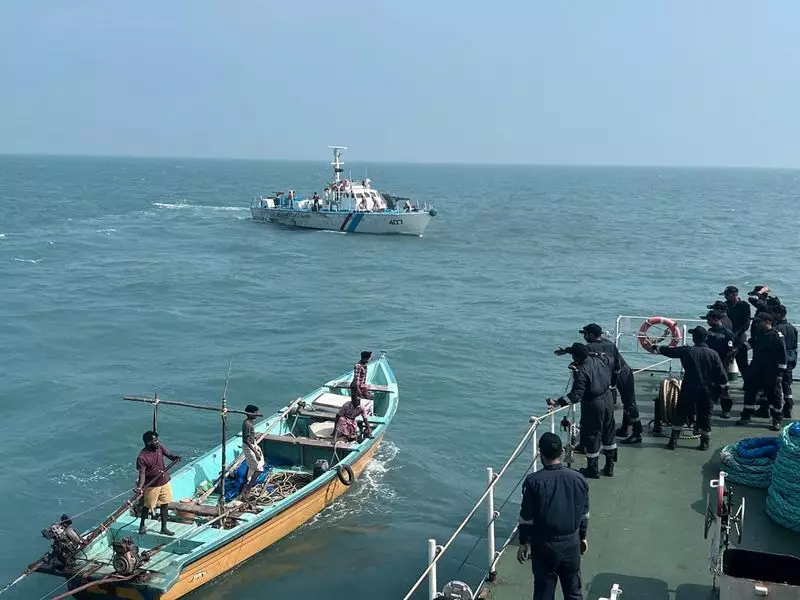
In a significant humanitarian and diplomatic operation, the Indian Coast Guard Ship (ICGS) Rani Durgavati has successfully facilitated the safe return of 12 Indian fishermen from Sri Lankan authorities. The operation, which concluded on a recent Saturday, underscores the ongoing cooperation between the two neighbouring nations on maritime matters and the welfare of fishing communities.
The Repatriation Mission: A Coordinated Effort
The repatriation process was set in motion following the handover of the fishermen by the Sri Lankan Navy to the Indian Coast Guard vessel. The ICGS Rani Durgavati, a potent and indigenous offshore patrol vessel, served as the conduit for this transfer in the waters of the Palk Bay. This area is a frequent site of fishing activities and, at times, disputes due to the close proximity of the maritime boundaries of India and Sri Lanka.
The 12 fishermen, who had been in Sri Lankan custody, were received by the Coast Guard ship in a coordinated handover. The vessel then safely transported them back to Indian shores. The entire operation was conducted smoothly, reflecting the established protocols and communication channels between the maritime security agencies of both countries. Such operations are vital for maintaining goodwill and ensuring the prompt return of fishermen who may inadvertently cross the International Maritime Boundary Line (IMBL).

Context and Significance of Fishermen Repatriation
The issue of fishermen crossing maritime boundaries is a persistent and sensitive one in India-Sri Lanka relations. The Palk Strait, a narrow strip of water separating Tamil Nadu from Sri Lanka's Northern Province, is rich in marine resources. Fishermen from both sides often venture into these waters, sometimes leading to arrests and detention by the other country's navy or coast guard.
The repatriation of these 12 Indian fishermen by the ICGS Rani Durgavati is not an isolated event but part of a broader framework of bilateral understanding. Both nations have, through diplomatic and military channels, worked on mechanisms for the swift release and repatriation of detained fishermen. This particular mission highlights the operational role of the Indian Coast Guard in executing such agreements on the ground, or rather, on the sea.
The use of the ICGS Rani Durgavati, commissioned into service in 2023, is also noteworthy. It demonstrates the deployment of India's modern, indigenously built maritime assets for soft-power diplomatic and humanitarian missions, alongside their primary role of surveillance and security.
Broader Implications and the Path Ahead
Successful operations like this one have several positive outcomes. Firstly, they ensure the safe return of citizens, providing relief to the fishermen and their anxious families. Secondly, they help de-escalate potential local tensions and foster a cooperative environment between the two navies and coast guards. Regular interaction during such handovers builds professional rapport and reduces the risk of misunderstandings at sea.
However, the recurrence of such incidents also points to the need for continued dialogue on finding a long-term, sustainable solution. This includes discussions on fishing rights, the use of technology for boundary alerts, and promoting alternative livelihoods to reduce dependence on contested waters. The repatriation of Indian fishermen remains a key element of the bilateral agenda, and efficient execution of these returns is crucial for maintaining stable and cordial India-Sri Lanka relations.
In conclusion, the mission accomplished by ICGS Rani Durgavati is a testament to the Indian Coast Guard's multifaceted role in ensuring safety and security at sea, which extends beyond defence to encompass humanitarian assistance and strengthening diplomatic ties. It reaffirms India's commitment to the welfare of its fishermen and its proactive approach to resolving cross-border maritime issues through cooperation and established protocols.