

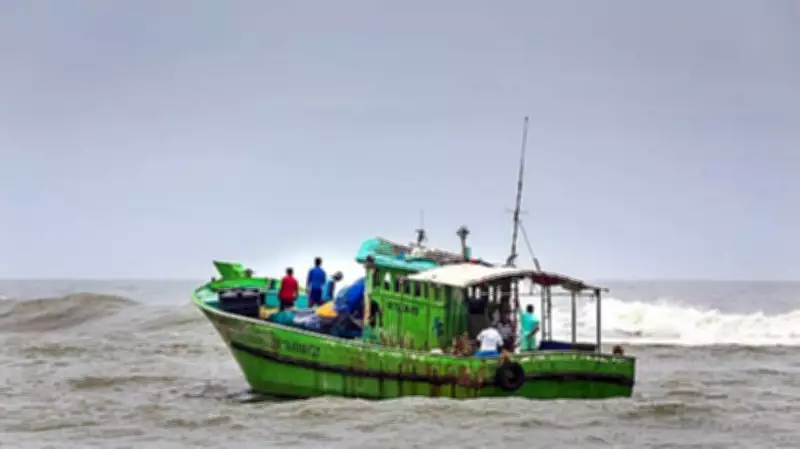
Stranded Indian Fishermen Safely Return to India After Iran Ordeal
A group of Indian fishermen, who were stranded in Iran for an extended period due to unforeseen visa complications, have finally made their way back home. Their repatriation was successfully facilitated through a coordinated route that involved transit via Armenia, marking a significant diplomatic and logistical achievement.
Challenges Faced by the Fishermen in Iran
The fishermen, primarily from coastal regions in India, had traveled to Iran for employment opportunities in the fishing industry. However, they encountered severe difficulties when their visas expired or faced other legal hurdles, leaving them unable to return to India. This situation stranded them in a foreign country without proper documentation or means of support, causing immense distress for them and their families back home.
The Indian government, through its diplomatic channels, actively engaged with Iranian authorities to address the issue. Despite these efforts, direct repatriation from Iran proved challenging due to various bureaucratic and logistical constraints. This necessitated an alternative solution to ensure the safe return of the citizens.

Armenia's Role in Facilitating the Repatriation
In a strategic move, Indian officials collaborated with the government of Armenia to arrange a transit route for the fishermen. Armenia, known for its friendly relations with India, provided crucial assistance by allowing the stranded individuals to enter its territory and facilitating their onward journey to India.
This cooperation highlights the importance of international partnerships in resolving humanitarian crises. The Armenian authorities worked closely with Indian diplomats to ensure all necessary travel documents and clearances were in place, enabling a smooth transition for the fishermen.
Logistics and Support During the Journey
The repatriation process involved several key steps:
- Coordination between Indian embassies in Iran and Armenia to verify the identities and status of the fishermen.
- Arrangement of special travel permits and visas for transit through Armenia.
- Provision of temporary accommodation and basic necessities during the stopover in Armenia.
- Organization of flights from Armenia to India, with Indian authorities covering the associated costs.
Upon their arrival in India, the fishermen received medical check-ups and counseling support to help them reintegrate into their communities. The Indian government has also initiated measures to prevent similar incidents in the future, including enhanced pre-departure orientation for workers traveling abroad.
Broader Implications for Indian Workers Overseas
This incident underscores the vulnerabilities faced by Indian migrant workers, particularly in sectors like fishing where employment conditions can be precarious. It calls for stronger bilateral agreements and more robust consular services to protect citizens working in foreign countries.
The successful repatriation via Armenia sets a positive precedent for handling such cases through diplomatic creativity and international cooperation. It also reaffirms India's commitment to safeguarding the welfare of its nationals, no matter where they are located.
As the fishermen reunite with their families, this episode serves as a reminder of the challenges in global labor mobility and the need for continuous efforts to ensure safe and legal migration pathways for all workers.






