

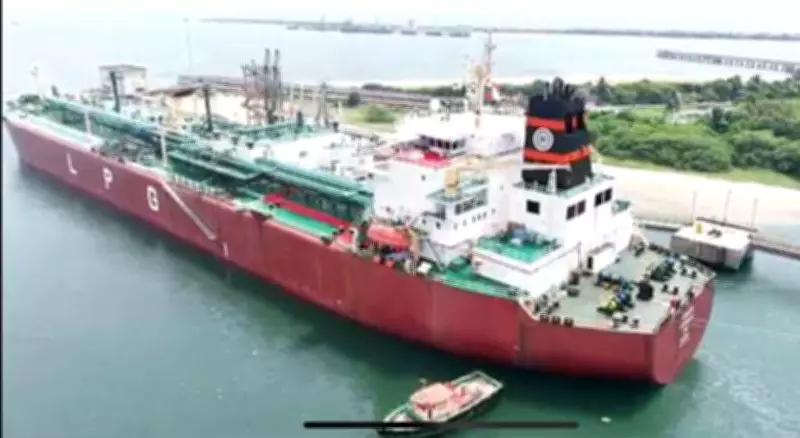
Indian Navy Safely Escorts LPG Tankers Through Strait of Hormuz Amid Regional Tensions
In a significant development for maritime security and energy supply, two LPG-laden ships, the Shivalik and the Nanda Devi, have successfully crossed the Strait of Hormuz under the protective escort of the Indian Navy. This marks the first passage of India-bound LPG vessels through this critical waterway in nearly two weeks, underscoring heightened efforts to ensure safe transit amid escalating regional conflicts.
Diplomatic Efforts Pave Way for Safe Passage
The safe crossing follows a series of high-level diplomatic engagements between Indian and Iranian leadership. On Thursday, Prime Minister Narendra Modi held talks with Iranian President Masoud Pezeshkian, expressing deep concern over the rising hostilities and loss of civilian lives in the region. Modi emphasized that the safety and security of Indian nationals, along with unhindered transit of goods and energy, remain India's top priority. External Affairs Minister S. Jaishankar has also been actively involved, conducting four rounds of phone calls with his Iranian counterpart Seyed Abbas Araghchi since February 28 to address maritime security issues.
Naval Operations and Escort Details
Sources confirmed that a Navy warship, with all air defence systems operational, escorted the two tankers out of the Strait of Hormuz, a narrow 33-kilometer-wide water body between Iran and Oman. Both vessels are India-flagged and operated by the Shipping Corporation of India (SCI), collectively carrying approximately 85,000 metric tonnes of natural gas. Traveling at the typical pace of an LPG tanker, the ships are expected to reach Indian shores by Monday night.

The Indian Navy is providing continuous guidance and protection to ensure safe passage through this sensitive maritime corridor, which is one of the world's most vital energy transit routes. To monitor the situation, the Navy warship utilizes live feeds from its own radars, indigenous satellites, maritime surveillance planes, and drones. This real-time data is monitored live in New Delhi and at joint operations centers along India's west coast.
Ongoing Maritime Security Initiatives
As part of broader security measures, the Indian Navy maintains a constant presence in the region. Two ships are always stationed south of the Saudi Arabian Peninsula, with one in the Gulf of Aden providing non-stop anti-piracy escorts since 2008. Additionally, Operation Sankalp, launched in 2019, involves a warship stationed in the Gulf of Aden tasked with escorting mercantile vessels past the Strait of Hormuz. It is anticipated that a Navy or Coast Guard ship may meet the tankers mid-way to escort them to shore for added security.
Broader Impact on Shipping and Energy Economy
The recent strikes by the United States and Israel against Iran in late February have ignited conflicts in West Asia, leading Iran to launch attacks against its oil-exporting neighbors in the Gulf region. These hostilities have threatened shipping in the Strait of Hormuz, plunging the global energy economy into crisis. Currently, more than two dozen India-flagged ships are positioned on either side of the Hormuz, with around 23,000 Indian seafarers working across merchant, harbor, and offshore vessels in the wider Gulf region, highlighting the stakes for India's maritime and economic interests.
This successful escort operation not only demonstrates the Indian Navy's capability to safeguard critical energy supplies but also reinforces India's commitment to maritime security and diplomatic engagement in ensuring stability in volatile regions.






