

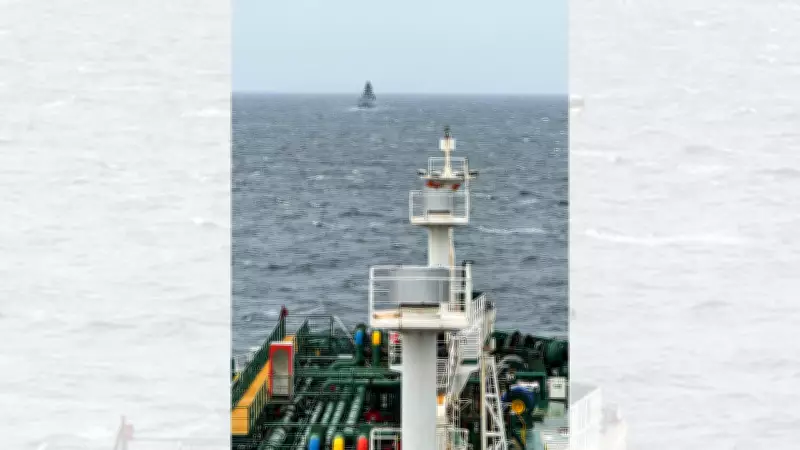
Indian Navy Launches Major Maritime Security Operation in West Asia
In response to escalating tensions in West Asia, the Indian Navy has initiated a significant maritime security operation named Operation Urja Suraksha. Defense establishment sources have confirmed to TOI that more than five frontline warships have been strategically deployed to safeguard the movement of India-bound cargo ships exiting the Iran-controlled choke point at the Strait of Hormuz.
Securing Critical Energy Supplies Amid Regional Conflict
The primary objective of this naval mission is to ensure the safe passage of vessels carrying essential supplies to India, including liquefied petroleum gas (LPG), liquefied natural gas (LNG), and crude oil. Currently, approximately 20 India-bound cargo vessels remain stranded near the Strait of Hormuz due to the ongoing conflict between Israel and Iran, creating urgent security concerns for maritime trade routes.
According to sources within the Directorate General of Shipping, once an India-bound cargo vessel successfully clears the Strait of Hormuz, Navy warships stationed in the Gulf of Oman immediately provide escort and guidance, shepherding the vessel out of the troubled zone toward the relative safety of the Arabian Sea. This layered security arrangement represents a proactive response to growing threats in one of the world's most vital shipping corridors.

Iran's Selective Transit Verification and Naval Coordination
Senior risk analyst Martin Kelly, head of advisory at EOS Risk Group, a Gulf-based security firm, provided crucial insight into the current transit procedures. "It appears that Iran is permitting select vessels to transit through Hormuz following verification processes that occur during the ships' passage through Iranian waters," Kelly explained. This selective approval system has necessitated heightened coordination between commercial shipping and naval forces.
The Indian Navy maintains constant communication with India-bound cargo vessels preparing to exit the Persian Gulf. Once a vessel receives Iran's consent and navigates through the chokepoint, Indian Navy destroyers and frigates assume protective duties, escorting them through potentially dangerous waters using sophisticated security protocols.
Addressing Underwater Mine Threats and Ensuring Safe Navigation
Media reports citing US intelligence agencies have raised alarming concerns about Iran allegedly deploying underwater mines in and around the Strait of Hormuz. These explosive devices, capable of inflicting severe damage to vessels, pose significant dangers to maritime navigation. In response, the Indian Navy has implemented carefully identified safe routes for Indian-flagged vessels, providing crucial protection for crew members—predominantly Indian nationals—as they chart courses toward the Arabian Sea.
The increased Indian naval presence in the Gulf of Oman has proven instrumental for these escort missions, with adequate warship deployment ensuring comprehensive coverage of vulnerable shipping lanes. This strategic positioning allows for rapid response capabilities and continuous monitoring of maritime traffic.
Operation Successes and Energy Security Achievements
Operation Urja Suraksha has already demonstrated tangible successes in securing India's energy supply chain. Two LPG carriers—Pine Gas and Jag Vasant—have safely transited the Strait of Hormuz under naval protection. Together, these vessels are transporting nearly 92,000 tonnes of LPG and are expected to reach Indian ports within days, marking a significant achievement in maintaining energy security amid regional instability.
The operation represents a critical component of India's broader maritime security strategy, balancing diplomatic considerations with practical protection measures for commercial shipping. As tensions continue in West Asia, the Indian Navy's proactive deployment underscores the nation's commitment to safeguarding its economic interests and ensuring the uninterrupted flow of essential commodities through strategically vital waterways.






