

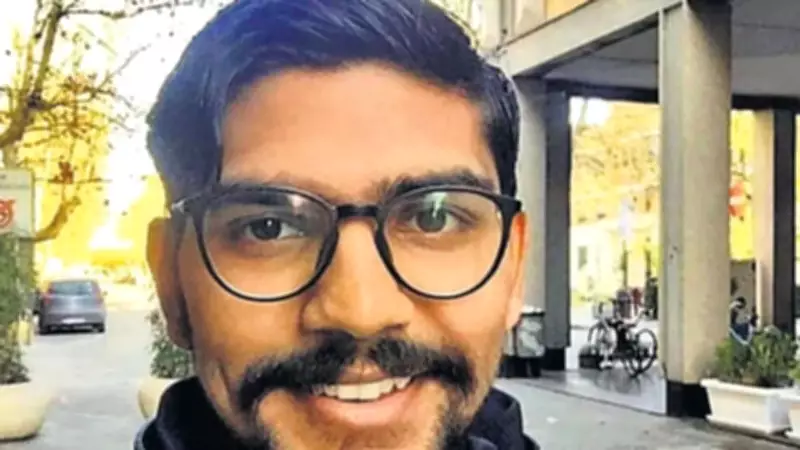
Family of Indian Seafarer Killed in Oman Attack Demands DNA Test Before Last Rites
The family of Indian seafarer Dixit Solanki, who was killed in a suspected missile or drone attack on an oil tanker off the Oman coast, has refused to perform his last rites, insisting on DNA confirmation to establish his identity. This development comes a day after his charred remains were brought to Mumbai from Sharjah, marking a tragic turn in the ongoing West Asia conflict, with Solanki believed to be among the first Indian casualties in the maritime tensions.
Family's Firm Stance on Verification
Solanki's father, Amratlal Solanki, and sister Mitali received the remains at Mumbai airport early Sunday after securing clearance from Sahar police. Instead of taking the body to their Kandivli residence, the family transported it directly to JJ Hospital in Byculla, seeking scientific verification. "We want a DNA test and written confirmation," Mitali stated, adding that the family is in touch with authorities to ensure proper procedures are followed.
The family's advocate is expected to move the Bombay High Court seeking directions to send samples to the Kalina forensic laboratory. They argue that there is no conclusive proof yet establishing the identity of the remains, despite officials from the Directorate General of Shipping and the shipping ministry maintaining that there was only one casualty onboard and identification has already been established. The family claims they have not been provided with any documented DNA confirmation, fueling their distress and determination for clarity.

Official Response and Case Background
Police officials stated that all formalities, including the death certificate, embalming certificate, and consulate clearances, were completed before the remains were handed over. "The body was released within 30 minutes of arrival after due verification," an officer said, highlighting the authorities' stance that proper protocols were followed. However, this has not alleviated the family's concerns, leading to a legal push for further investigation.
The case traces back to March 1, when the vessel MT MKD Vyom was hit by an explosive-laden drone boat in the Gulf of Oman. Solanki, who worked as an oiler, died in the blast. The family had earlier approached the high court seeking expeditious repatriation of the remains, citing lack of clarity and delay by authorities. The coffin reached Mumbai within three days of the plea, but the focus has now shifted to confirming identity before the final rites, underscoring the emotional and bureaucratic challenges faced by the bereaved.
Additional Family Distress
Adding to the family's anguish, this is the second bereavement in recent months, with Solanki's mother having passed away just three months ago. This double tragedy has compounded their grief, making the demand for DNA confirmation not just a legal matter but a deeply personal necessity for closure. The situation reflects broader issues in handling international casualties during conflicts, where families often grapple with uncertainty and procedural hurdles.
As the legal proceedings unfold, the case highlights the critical need for transparent and compassionate handling of such incidents, ensuring that families receive the support and verification they require during times of loss.






