

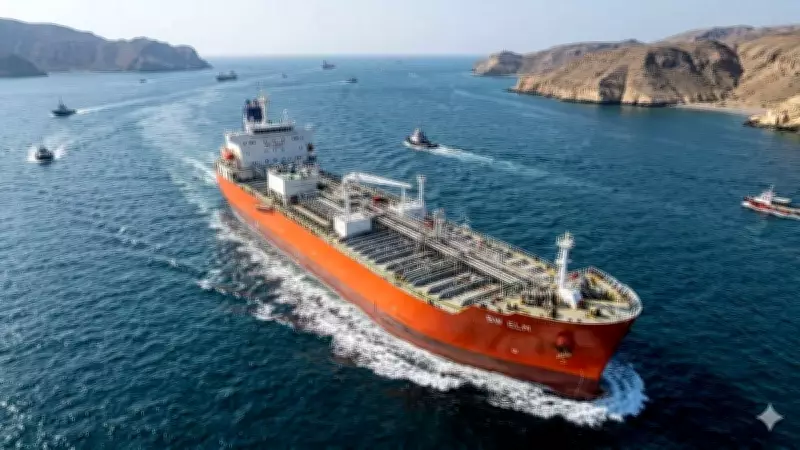
Indian LPG Tanker Safely Navigates Strait of Hormuz After Ceasefire
The India-flagged LPG tanker Jag Vikram has successfully crossed the strategic Strait of Hormuz, a critical maritime chokepoint, in the wake of a recently announced ceasefire between the United States and Iran. This development marks a significant moment for Indian shipping operations in the region, as tensions have historically impacted safe passage through these waters.
Escalating Exits from the Persian Gulf
According to recent reports, Jag Vikram is the ninth Indian vessel to exit the Persian Gulf since the beginning of March 2026. This trend highlights a gradual normalization of maritime traffic following the diplomatic efforts that led to the ceasefire. The Strait of Hormuz, known for its geopolitical sensitivity, serves as a vital route for global oil and gas shipments, making such safe crossings crucial for international trade and energy security.
Remaining Indian Fleet Awaits Passage
Despite this positive movement, challenges persist for the Indian shipping community. It is estimated that approximately 15 India-flagged ships are still stationed in the Persian Gulf region, awaiting their turn to navigate through the Strait of Hormuz. These vessels, which include various types of cargo carriers, are on standby as shipping companies and authorities coordinate safe passage amidst the evolving post-ceasefire landscape.

The situation underscores the broader implications of the US-Iran ceasefire on global maritime logistics. With the Strait of Hormuz being a bottleneck for a significant portion of the world's seaborne oil trade, any disruption or easing of tensions directly affects shipping schedules, insurance costs, and regional stability. Indian authorities and shipping firms are closely monitoring the developments to ensure the safety and efficiency of their operations.
As more vessels like the Jag Vikram make their way out, it is expected that the backlog of waiting ships will gradually clear, provided the ceasefire holds and diplomatic relations remain stable. This incident serves as a reminder of the interconnected nature of international politics and commerce, where geopolitical agreements can have immediate and tangible effects on trade routes and economic activities.






