

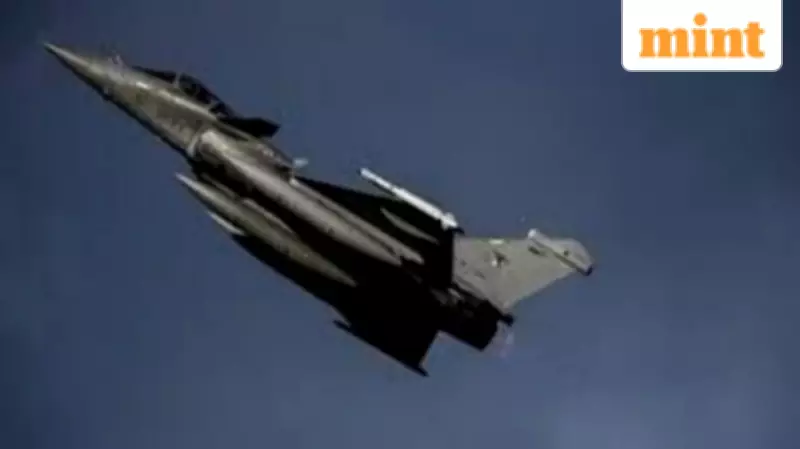
India's Defence Council to Review Proposal for 114 Additional Rafale Fighter Jets
The Indian Air Force's ambitious proposal to purchase 114 more Rafale multi-role fighter aircraft is set to be brought before the Defence Acquisition Council (DAC) in the coming days. This critical meeting is scheduled to take place ahead of the arrival of French President Emmanuel Macron, who is visiting India for an Artificial Intelligence Summit in New Delhi from February 15 to 17.
Details of the Proposed Acquisition
The DAC, which is headed by Defence Minister Rajnath Singh, is expected to grant Acceptance of Necessity (AoN) to the IAF for this massive acquisition. According to India's defence procurement rules, AoN from the council represents the first formal step in the acquisition process. The proposal has already received approval from the Defence Procurement Board, which is chaired by Defence Secretary Rajesh Kumar Singh.
The acquisition plan involves two distinct components:

- Purchase of 18 Rafale fighter jets directly from French manufacturer Dassault Aviation
- Manufacturing of 96 additional Rafale aircraft through partnerships with private sector companies in India
A significant number of these jets would be twin-seater aircraft specifically designed for training purposes, enhancing the IAF's pilot training capabilities alongside its combat strength.
Strategic Importance and Cost Considerations
Officials have previously indicated that this proposed 114-aircraft acquisition could represent an investment of approximately ₹3.25 lakh crore, providing a substantial capability boost to India's air defense systems. The timing of this proposal is particularly significant as it comes just before President Macron's diplomatic visit, highlighting the strategic partnership between India and France in defense cooperation.
India already operates 36 Rafale fighter jets, which have proven their combat effectiveness during Operation Sindoor against Pakistan. These aircraft played a crucial role in India's strikes on terror and military installations in Pakistan and Pakistan-occupied Kashmir following the devastating Pahalgam terror attack that claimed 26 lives.
Advanced Capabilities and Operational History
Rafale jets are equipped with state-of-the-art weapons systems that have demonstrated their effectiveness in combat scenarios. These include:
- Scalp missiles for long-range precision strikes
- Meteor air-to-air missiles for superior aerial combat capabilities
- Hammer precision-guided bombs for accurate ground attacks
During Operation Sindoor, these advanced weapons systems successfully destroyed terror bases in Pakistan while also engaging Pakistani aircraft, proving the Rafale's versatility and combat readiness in real-world scenarios.
Next Steps in the Procurement Process
Following the DAC's approval, the acquisition process will move to the commercial negotiation phase. Subsequently, the plan will require final clearance from the Cabinet Committee on Security, which is chaired by Prime Minister Narendra Modi. This multi-stage approval process ensures comprehensive evaluation at the highest levels of government.
The urgency for modernizing India's air defense capabilities was emphasized last October by Air Chief Marshal AP Singh, who made a strong case for faster induction of new military hardware into the air force. He specifically highlighted the Rafale as one of the key options to strengthen the IAF's combat fleet while underlining the requirement for 114 multi-role fighter aircraft to be manufactured in India through strategic partnerships between foreign original equipment manufacturers and Indian companies.
This proposal represents a significant step in India's ongoing efforts to enhance its aerial defense capabilities through strategic international partnerships and domestic manufacturing initiatives.






