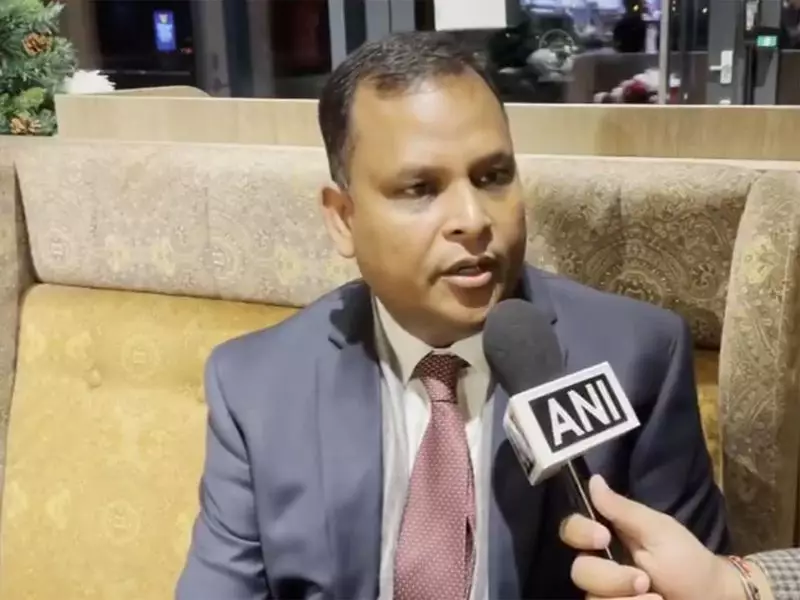
India's growing diplomatic stature on the world stage is emerging as a significant factor for potential peace amid the ongoing Russia-Ukraine conflict, according to a key envoy. The Indian Ambassador to Estonia, Raveesh Kumar, has articulated this perspective, highlighting New Delhi's unique position and influence.
India's Balanced Stance as a Diplomatic Asset
Ambassador Raveesh Kumar, in a recent interaction, emphasized that India's diplomatic influence provides a ray of hope for a peaceful resolution to the prolonged crisis. He pointed out that India has maintained consistent communication with both sides involved in the conflict. This balanced approach, which avoids taking a one-sided position, allows India to serve as a credible and respected voice in international forums.
Kumar noted that India's historical ties with Russia and its growing strategic partnership with Western nations, including the United States and European countries, place it in a distinctive diplomatic space. This enables Indian leadership to convey messages and perspectives that might be more readily received by all parties. The ambassador's comments underscore a belief that multipolar diplomacy, with nations like India playing a central role, is essential in navigating complex global disputes.

The Pillars of India's Diplomatic Engagement
The envoy outlined several key aspects of India's engagement. First and foremost is India's unwavering focus on dialogue and diplomacy as the only path to a lasting solution. New Delhi has repeatedly called for an immediate cessation of hostilities and a return to the negotiating table since the conflict's escalation in February 2022.
Furthermore, India's humanitarian efforts have been substantial. The country has provided shipments of essential relief materials, including medicines and medical equipment, to Ukraine, demonstrating a commitment to human welfare beyond political positions. On the economic front, India has navigated significant pressure, continuing its trade relations with Russia while also engaging deeply with Europe and the US, showcasing its independent foreign policy.
Global Recognition of India's Role
Ambassador Kumar suggested that there is a growing international appreciation for India's stance. World leaders increasingly recognize the value of having a major democracy and economy like India involved in facilitating dialogue. The G20 presidency, held by India in 2023, was a prime example where New Delhi worked to keep the focus on critical issues like food and energy security, which are deeply impacted by the war, and sought to bridge divides among member states.
The ambassador's remarks from Tallinn, the capital of Estonia—a NATO and EU member state that shares a border with Russia—carry particular weight. They reflect India's ability to articulate its views clearly to nations directly affected by the conflict and to those within the Western alliance.
Implications for Global Peace and India's Future
The consistent messaging from Indian diplomats indicates a confident and proactive foreign policy. By positioning itself as a voice for peace and stability, India aims to strengthen its claim for a larger role in global governance, including possible reforms in the United Nations Security Council. This crisis is seen as a moment where India's traditional non-aligned philosophy, updated for the contemporary era, finds new relevance.
The path forward remains challenging, but as Ambassador Raveesh Kumar posits, the world needs patient, persistent, and principled diplomacy. India's multifaceted relationships and its refusal to be drawn into a binary bloc politics offer a unique diplomatic toolkit that could be instrumental in finding an off-ramp to the conflict. The hope is that this influence will eventually help create the conditions necessary for a sustainable and just peace in Europe.