India's Distinctive Role in Gaza Peace Efforts
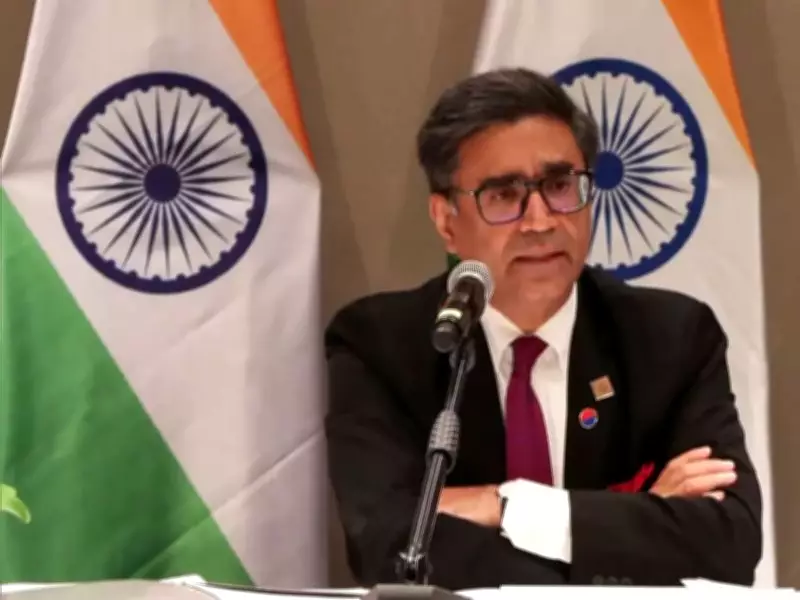
Foreign Secretary Vikram Misri has underscored India's unique and specific capabilities in playing a constructive role in the Gaza conflict, as Prime Minister Narendra Modi advocates for a sustainable pathway to peace. This development highlights India's growing diplomatic engagement in global hotspots, leveraging its historical ties and strategic position.
FS Vikram Misri on India's Capabilities
In recent statements, Foreign Secretary Vikram Misri articulated that India possesses very specific capabilities that enable it to contribute meaningfully to peace initiatives in Gaza. He emphasized India's long-standing relationships with key stakeholders in the Middle East, including both Israel and Palestine, which provide a balanced and trusted platform for dialogue.
Misri pointed out that India's experience in conflict resolution, humanitarian assistance, and development cooperation positions it as a credible mediator. He noted that India's non-aligned stance and commitment to multilateralism allow it to engage without partisan biases, fostering an environment conducive to negotiations.

PM Narendra Modi's Support for Peace Pathway
Prime Minister Narendra Modi has consistently backed efforts to establish a clear and viable pathway for peace in Gaza. In alignment with India's foreign policy objectives, Modi has called for an immediate cessation of hostilities and the resumption of diplomatic talks to address the root causes of the conflict.
Modi's approach focuses on humanitarian concerns, economic development, and political stability as pillars for lasting peace. He has urged the international community to support initiatives that promote dialogue and reconciliation, rather than escalating tensions through unilateral actions.
India's Diplomatic Strategy in the Middle East
India's involvement in Gaza is part of a broader diplomatic strategy in the Middle East, where it seeks to balance its strategic partnerships with humanitarian imperatives. Key elements of this strategy include:
- Providing humanitarian aid to affected populations in Gaza, including medical supplies and food assistance.
- Engaging in bilateral and multilateral forums to advocate for peaceful resolutions, such as through the United Nations.
- Leveraging its diaspora and cultural ties to build bridges between conflicting parties.
- Promoting economic cooperation and development projects that can reduce tensions and foster stability.
This multifaceted approach reflects India's commitment to being a responsible global actor, contributing to peace and security in volatile regions.
Implications for Global Diplomacy
The emphasis on India's specific capabilities by FS Vikram Misri, coupled with PM Modi's backing for a peace pathway, signals a proactive shift in India's foreign policy. It underscores India's willingness to take on greater responsibilities in international conflict resolution, moving beyond traditional roles to offer innovative solutions.
As global dynamics evolve, India's role in Gaza could serve as a model for how emerging powers can leverage their unique strengths to address complex geopolitical challenges. This development is closely watched by international observers, who see India's engagement as a potential catalyst for renewed peace efforts in the Middle East.