

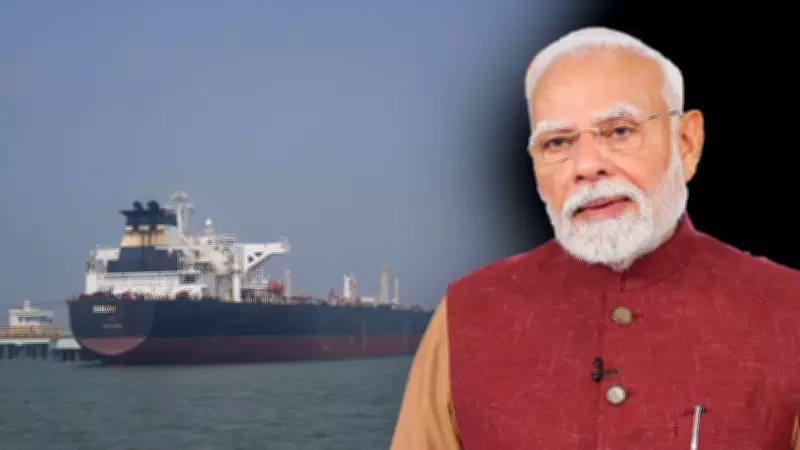
India's High-Stakes Maritime Move: LPG Tankers Prepare for Strait of Hormuz Crossing
In a critical development for global energy security, India is preparing to dispatch two liquefied petroleum gas (LPG) tankers through the highly volatile Strait of Hormuz. This high-risk maritime operation follows intensive diplomatic efforts by the Narendra Modi government aimed at securing safe passage through one of the world's most sensitive shipping corridors.
Diplomatic Push for Safe Transit
The decision to proceed with this crucial crossing comes after direct diplomatic interventions by Prime Minister Narendra Modi and External Affairs Minister S. Jaishankar. Their strategic communications were specifically designed to ensure the safe transit of these vital energy carriers through waters that have become increasingly dangerous due to regional conflicts.
This diplomatic initiative represents a significant effort to navigate complex international tensions involving Iran, the United States, and Israel that have severely disrupted global shipping patterns in recent months. The success or failure of this mission could establish important precedents for commercial shipping in the region.

Strategic Importance of the Strait of Hormuz
The Strait of Hormuz serves as a critical maritime chokepoint through which approximately one-fifth of the world's petroleum products pass daily. For India, which maintains substantial energy dependence on Gulf nations, this crossing represents more than just a routine shipping operation—it's a test of the nation's ability to secure its energy supply chains amid geopolitical turbulence.
Observers have noted increased ship movements near Sharjah, indicating that preparations for this high-stakes voyage are already well underway. Despite these preparations, the risks remain exceptionally high given the current security environment in the region.
Global Implications of the Voyage
The outcome of this maritime operation carries implications far beyond India's borders. A successful transit could potentially encourage other nations to cautiously resume commercial shipping through the Strait of Hormuz, while a problematic crossing might further exacerbate global energy supply concerns.
This development occurs against a backdrop of:
- Ongoing regional tensions affecting maritime security
- Global energy market volatility
- Increased scrutiny of shipping routes through conflict zones
- Diplomatic efforts to maintain open sea lanes for commerce
The Modi government's decision to proceed with this crossing despite the evident risks underscores India's commitment to maintaining its energy security while navigating complex international waters. As the tankers prepare for their journey, the global energy community watches closely, aware that the results could significantly influence shipping patterns and energy flows in one of the world's most strategically important maritime corridors.






