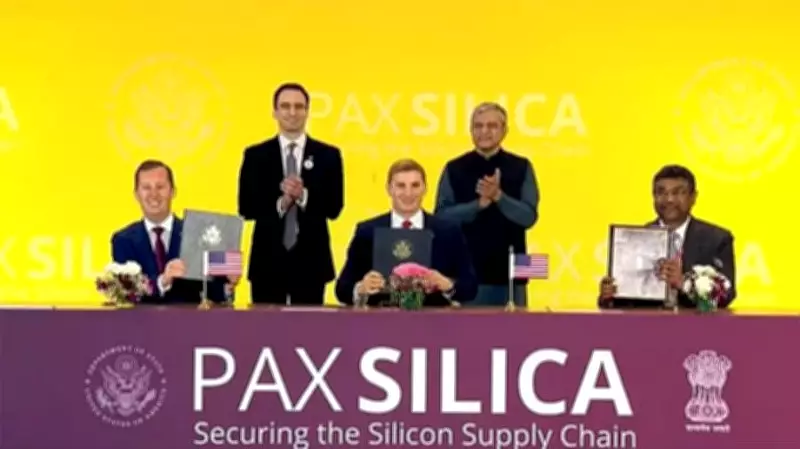
India's Strategic Calculus in the Pax Silica Framework
India's recent strategic pivot within the Pax Silica initiative represents a significant geopolitical maneuver aimed at securing its economic and technological future. This framework, designed to reduce global dependence on China's dominance in critical mineral supply chains, has positioned India as a key player in reshaping international resource dynamics. However, this strategic win comes with complex trade-offs that could influence India's long-term autonomy on the world stage.
The Drive for Mineral Independence from China
At the core of India's engagement with Pax Silica is a concerted effort to diversify its sources of essential minerals such as rare earth elements, lithium, and cobalt. These materials are vital for advanced technologies, including renewable energy systems, electric vehicles, and defense applications. Historically, China has controlled a substantial portion of the global supply, creating vulnerabilities for nations like India that rely heavily on imports for industrial growth and national security.
By aligning with Pax Silica, India aims to develop alternative supply chains through partnerships with other resource-rich countries and investments in domestic mining capabilities. This move not only enhances India's economic resilience but also strengthens its position as a manufacturing hub in sectors like electronics and clean energy, reducing the risk of supply disruptions from geopolitical tensions with China.

Geopolitical Implications and Alliance Dynamics
The strategic shift, however, places India within a broader US-led alliance framework that seeks to counter China's influence in global trade and technology. While this alignment offers India access to advanced technologies, security cooperation, and economic opportunities, it also raises questions about the nation's ability to maintain an independent foreign policy. Experts warn that deeper integration into this alliance could limit India's autonomy, particularly in decisions related to regional conflicts, trade agreements, and diplomatic engagements with other powers like Russia or Iran.
This balancing act is crucial as India navigates its traditional non-aligned stance while pursuing strategic interests. The reduced dependence on Chinese minerals may come at the price of increased reliance on Western partners, potentially constraining India's flexibility in international forums and bilateral relations.
Economic and Strategic Trade-Offs
Economically, India's participation in Pax Silica promises to boost its industrial base and create jobs in mining and technology sectors. By securing stable mineral supplies, India can accelerate its transition to green energy and enhance its competitiveness in global markets. Yet, this comes with challenges, including the need for significant infrastructure investments, environmental considerations in mining operations, and potential trade-offs with domestic policies that prioritize sustainability.
Strategically, the move underscores India's evolving role as a pivotal actor in Indo-Pacific geopolitics. While it gains leverage in negotiations with China and strengthens ties with allies, India must carefully manage the risks of over-dependence on any single alliance, ensuring that its national interests remain paramount in a rapidly changing global order.
Future Outlook and Policy Considerations
Looking ahead, India's success in Pax Silica will depend on its ability to foster a diversified network of mineral sources while safeguarding its strategic autonomy. Policymakers are likely to focus on enhancing domestic production capabilities, forging multilateral partnerships beyond the US-led bloc, and investing in research for mineral alternatives. This approach could help India mitigate the costs of alliance politics while reaping the benefits of reduced Chinese dependence.
In conclusion, India's strategic wins in Pax Silica are tempered by the price of potential autonomy constraints. As the nation charts its course in this new geopolitical landscape, a nuanced balance between independence and alliance cooperation will be essential for sustaining long-term growth and security.