

India's Strategic Energy Balancing Act Faces New Challenge
India's carefully crafted energy diplomacy is undergoing a significant test as new data reveals a notable shift in the country's oil import patterns. According to December 2025 figures, India's imports of Russian crude oil have fallen to their lowest level since February of that same year, marking an 11-month low that highlights the complex geopolitical pressures facing the world's third-largest oil consumer.
The Sanctions Factor and Import Decline
The decline in Russian oil imports follows the implementation of US sanctions on key Russian oil majors and represents the first full month of data after the wind-down deadline for these restrictions. While New Delhi has maintained a firm public stance against external pressure regarding its energy choices, the numbers tell a story of careful recalibration rather than outright defiance.
Despite this downward trend, Russia continues to hold its position as India's top crude oil supplier, though its dominance in the Indian market is gradually narrowing. The percentage share of Russian oil in India's total imports has decreased as alternative sources gain traction in the country's energy portfolio.

Diversification and Rising US Imports
As Russian imports decline, India has been steadily increasing its purchases of crude oil from the United States. This strategic diversification reflects New Delhi's approach to maintaining energy security while navigating complex international relationships. The shift represents a pragmatic balancing act rather than a dramatic policy reversal.
Indian officials have consistently emphasized that energy security for 1.4 billion citizens remains the supreme priority, a position that has been reiterated in response to external pressure. The government maintains that its energy decisions are based on economic considerations rather than geopolitical alignment.
Political Context and International Pressure
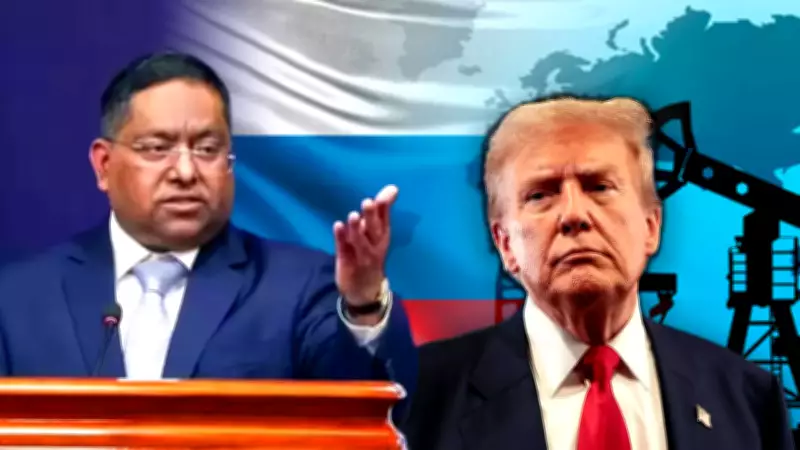
The import data emerges against a backdrop of increasing international pressure, particularly from the United States. President Trump has publicly claimed that India would halt Russian oil purchases, though New Delhi has not officially confirmed any such commitment. Instead, Indian officials have stressed their country's right to make independent energy decisions based on national interest.
This development underscores how India is managing its relationships with major global powers without compromising economic stability. The gradual reduction in Russian oil imports demonstrates a nuanced approach to international diplomacy that acknowledges external pressures while maintaining strategic autonomy.
The Broader Implications
The changing import patterns reveal several important trends in India's energy strategy:
- A continued commitment to diversifying energy sources to enhance security
- Responsiveness to international market conditions and geopolitical realities
- Maintenance of relationships with multiple global powers simultaneously
- Prioritization of economic stability in energy decision-making
As India continues to navigate this complex energy landscape, the December import figures serve as a clear indicator of how geopolitical factors are influencing the country's procurement decisions. The data suggests that while India values its strategic autonomy, it also recognizes the practical realities of operating within a globally interconnected energy market.






