

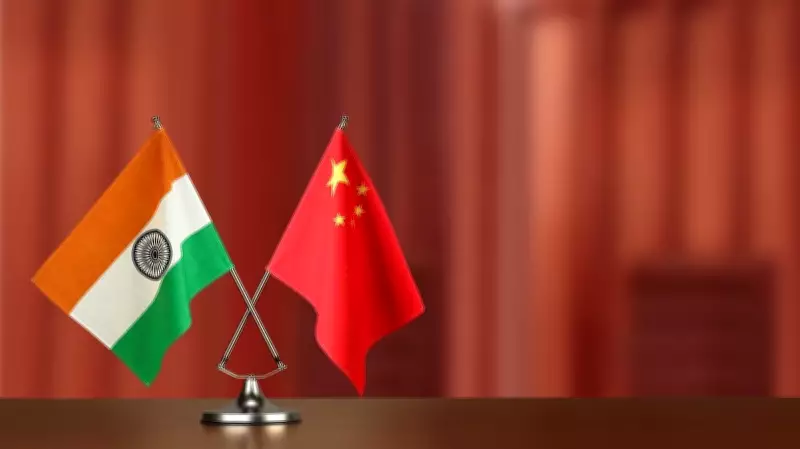
India's Strategic Reassessment: Navigating the New Normal with China
In a significant geopolitical development, India appears to be accepting a new status quo in its complex relationship with China. This shift comes amid persistent border tensions and evolving global dynamics that have prompted New Delhi to recalibrate its approach toward Beijing.
Economic Partnership Under Scrutiny
Most importantly, India has initiated a comprehensive re-evaluation of China's role as an economic partner. This reassessment reflects growing concerns about dependency and strategic vulnerabilities in key sectors. The Indian government is increasingly scrutinizing Chinese investments and trade relationships, seeking to diversify economic ties and reduce reliance on Beijing.
Diplomatic Realignment
The resignation to a new normal suggests India is adopting a more pragmatic stance in its diplomatic engagements with China. Rather than seeking dramatic breakthroughs, New Delhi appears focused on managing tensions and preventing escalation while pursuing its national interests through alternative partnerships and multilateral forums.

Border Dynamics and Security Concerns
Ongoing border disputes along the Line of Actual Control continue to shape this recalibrated relationship. India's military preparedness and infrastructure development in border regions indicate a long-term approach to security challenges, even as diplomatic channels remain open for dialogue and confidence-building measures.
Global Context and Strategic Implications
This adjustment occurs within a broader global context of shifting alliances and economic realignments. India's reassessment of China reflects:
- Strategic autonomy in foreign policy decision-making
- Economic diversification efforts to reduce vulnerabilities
- Enhanced partnerships with like-minded nations
- Domestic consensus on managing the China relationship
Future Trajectory
While India appears resigned to this new status quo, the relationship remains dynamic and subject to change based on several factors:
- Border stability and confidence-building measures
- Economic engagement patterns and trade balances
- Regional security developments and multilateral dynamics
- Domestic political considerations in both nations
The evolving India-China relationship represents one of the most significant geopolitical developments in contemporary Asia, with implications extending far beyond bilateral ties to affect regional stability and global economic patterns.






