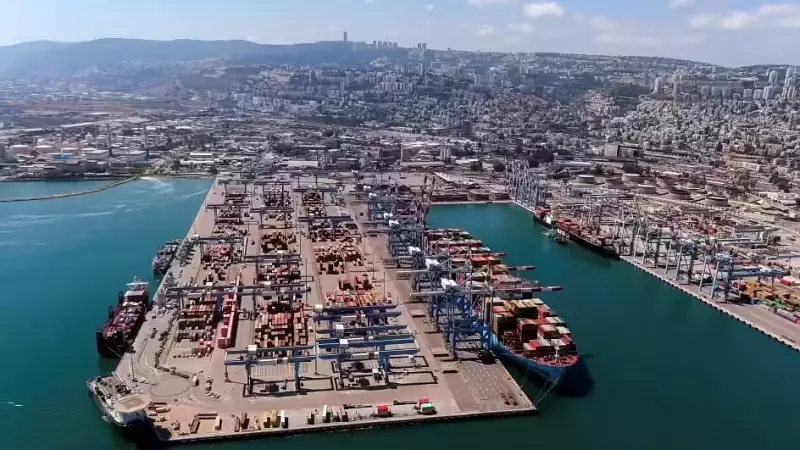
India's Delicate Strategic Position at Chabahar Port
India finds itself walking a diplomatic tightrope at the strategically vital Chabahar port, located on Iran's southern coast along the Gulf of Oman. This critical maritime facility represents one of New Delhi's most significant foreign policy and economic investments in the region, offering unparalleled access routes that circumvent traditional geopolitical obstacles.
The Strategic Importance of Chabahar Corridor
Chabahar port provides India with a rare and valuable strategic corridor that completely bypasses Pakistan, its regional rival. This alternative route opens direct access to landlocked Central Asian nations and Afghanistan, creating new trade pathways that enhance India's economic and political influence in the region. The port's location makes it an ideal transit point for goods moving between India and the Eurasian continent, potentially transforming regional trade dynamics.
Geopolitical Complexities and Challenges
India's involvement with Chabahar comes with substantial geopolitical complications. The country must carefully balance its relationships with multiple competing powers, including Iran, the United States, and various Central Asian nations. Sanctions regimes and regional tensions create additional layers of complexity that require sophisticated diplomatic navigation. New Delhi's approach to Chabahar demonstrates its broader foreign policy strategy of maintaining multiple partnerships while advancing national interests.

The port development represents more than just infrastructure investment—it symbolizes India's growing regional ambitions and its determination to secure alternative trade routes independent of Pakistani territory. This strategic move aligns with India's broader connectivity initiatives aimed at enhancing economic integration with Central Asia.
Economic and Security Implications
The successful development of Chabahar port could yield significant benefits for India:
- Enhanced trade connectivity with resource-rich Central Asian countries
- Improved humanitarian and development access to Afghanistan
- Reduced dependence on traditional transit routes through Pakistan
- Strengthened strategic presence in the western Indian Ocean region
However, these potential advantages come with substantial risks and challenges. India must carefully manage the port's development while navigating complex international relationships and regional security concerns. The balancing act requires constant diplomatic engagement and strategic foresight to ensure the project's long-term success without compromising other foreign policy objectives.
As India continues its involvement with Chabahar, the country demonstrates its evolving approach to regional geopolitics—one that seeks to maximize strategic advantages while minimizing potential conflicts with other global powers. This delicate balancing act will likely define India's regional strategy for years to come.