

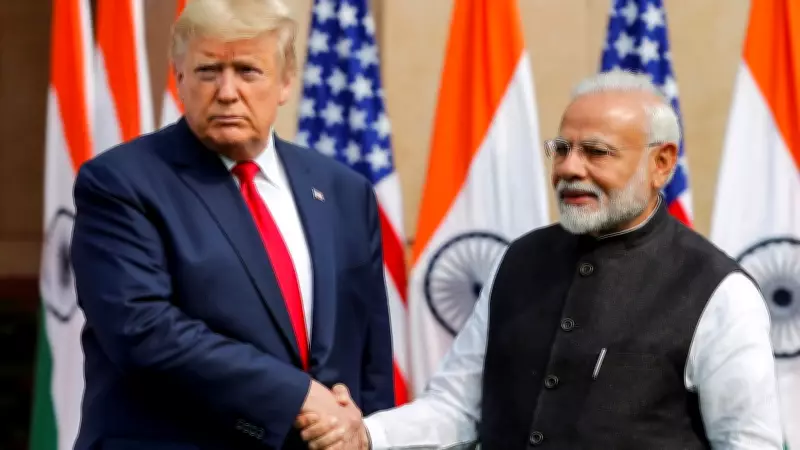
India's Interim US Trade Deal: A Watershed Moment in Global Engagement
India's recently concluded interim trade agreement with the United States represents a significant inflection point in New Delhi's diplomatic and economic strategy. This landmark deal decisively breaks from the defensive postures that historically characterized India's negotiations with Washington, signaling the emergence of a more confident and assertive nation on the global stage.
From Defensive Instincts to Strategic Confidence
For decades, India's approach to engaging with the United States was framed by anxieties about sovereignty and strategic autonomy. Every negotiation was viewed through the lens of potential compromise to national independence. The current agreement, however, reflects a fundamental transformation in mindset. India now demonstrates willingness to operate within the complex global economic order based on principles of mutual benefit and pragmatic cooperation.
This shift is particularly noteworthy as India's negotiating culture finally aligns with its growing economic weight and geopolitical significance. The nation has moved beyond viewing every engagement with the United States as a potential threat, instead embracing opportunities for strategic partnership that serve its national interests.

The Geopolitical Context: Limited Alternatives to Western Engagement
The domestic debate surrounding this agreement reveals fascinating insights about India's evolving international relationships. While similar trade deals with the United Kingdom or Europe might attract less scrutiny, an accord with Washington inevitably becomes a focal point of national discussion.
This heightened attention underscores the unique position the United States occupies in India's foreign policy calculations. Interestingly, neither Russia nor China presents a viable alternative for substantial economic engagement. India's export figures tell a compelling story: barely $5 billion in goods to Russia, approximately $15 billion to China, compared to nearly $80 billion each to the United States and Europe.
Despite these economic realities, some discomfort persists within certain elite circles—not regarding the agreement's specific terms, but concerning the identity of India's partner. This reflects lingering postcolonial sensitivities that have gradually diminished as bilateral ties expanded over the past two decades.
Overcoming Historical Hurdles and Political Challenges
The current National Democratic Alliance government's confident handling of negotiations stands in stark contrast to the United Progressive Alliance's struggles two decades ago during the civil nuclear initiative. That earlier agreement, which aimed to end India's three-decade isolation from global atomic commerce, became mired in political controversy.
Instead of celebrating a strategic breakthrough, the government found itself besieged by an opportunistic alliance between the Bharatiya Janata Party and the Communist Party of India (Marxist). More damaging than this political opposition was the Congress leadership's own timidity, with the party nearly walking away from the nuclear deal until Prime Minister Manmohan Singh threatened resignation.
The discourse at that time dangerously conflated engagement with the United States with surrender of India's strategic autonomy, with critics warning of India becoming America's vassal. Two decades later, this hysteria stands exposed: India has not purchased a single American nuclear reactor, maintaining its nuclear purchases exclusively with Russia.
Navigating the New Geo-Economic Landscape
The world has transformed dramatically since India's economic liberalization in the 1990s. While those reforms helped India adjust to economic globalization, today's international environment is defined by intense geo-economic competition. This includes reconfigured global manufacturing supply chains, competing technology standards, and fierce contests for access to critical natural resources.
India's traditional negotiating approach—characterized by the peculiar notion that opening positions must also be final positions—has often left the nation at the margins of global rule-making. This rigidity reduced flexibility and limited India's influence in shaping international economic frameworks.

Trade negotiations inherently involve compromise and mutual concession, yet India's public discourse has historically focused disproportionately on perceived concessions rather than gains. This zero-sum mindset contradicts the fundamental nature of trade as a positive-sum game where all parties can benefit.
A New Era of Pragmatic Engagement
The successful conclusion of the US trade deal, defended without diffidence, signals India's emergence as a confident negotiator and purposeful interlocutor. This represents more than just a commercial agreement—it reflects a strategic recalibration of India's position in the rapidly changing global economic order.
As economic benefits begin to materialize, India's exaggerated anxieties about engaging with the United States are likely to further diminish. The White House's approval of a balanced deal, whose broad outlines had been under consideration for months, indicates a more pragmatic turn in Washington's approach as well.
This agreement opens new possibilities for deeper India-US conversations on critical issues like global energy markets. With the United States now a major hydrocarbons exporter and India among the world's largest importers, energy geo-economics must become a core element of bilateral dialogue, moving beyond simplistic debates about strategic autonomy.
India's journey from defensive negotiator to confident global player represents a significant evolution in its foreign policy approach. By embracing pragmatic engagement while safeguarding national interests, New Delhi positions itself advantageously to navigate the complex geo-economic competitions defining our contemporary world.





