In a powerful testament to enduring hope, the peace initiative Aaghaz-e-Dosti has unveiled its 14th Annual Peace Calendar for the year 2026. This unique project, sustained for over a decade despite persistent diplomatic frost between India and Pakistan, showcases the visionary artwork of schoolchildren from both nations, dreaming of a harmonious future.
Fourteen Years of Uninterrupted Hope on Canvas
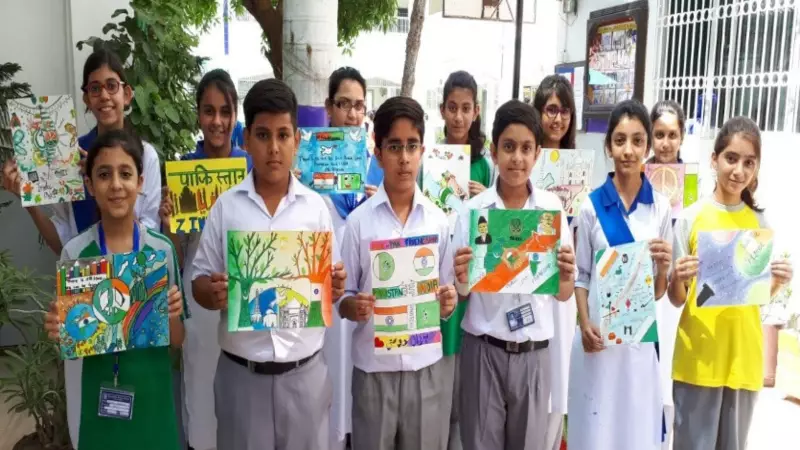
The calendar launch event took place in Anandpur Sahib, Punjab, on Wednesday. It features twelve selected paintings, with six contributions each from young artists in India and Pakistan. Since its inception in 2012, the Peace Calendar has been published every single year without a break, a remarkable feat considering the fluctuating state of bilateral relations. The initiative provides a creative platform for children to translate their ideas of peace and friendship onto canvas.
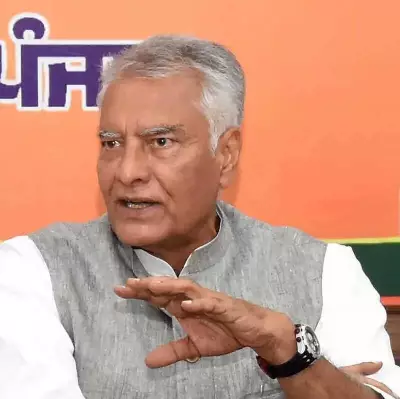
Devika Mittal, co-founder of Aaghaz-e-Dosti and a sociology professor at a University of Delhi college, emphasized the critical nature of this continuity. "The highs and lows in diplomatic relations will continue but the young minds should not stop dreaming about peace. That would be the most dangerous," Mittal stated. She firmly believes that "there's no future without peace, and our future is our children."

"Together We Rise": Visions of Shared Progress and Cricket
This year's calendar, produced in collaboration with Gallery Art'est and the Gandhian Society, carries the theme "Together We Rise," focusing on how both countries can progress collectively. One standout artwork by Laila Babar, a student from Roots IVY International School in Faisalabad, Pakistan, depicts Indian and Pakistani cricketers shaking hands on the field. The painting conveys a clear vision for sportsman spirit to transcend rivalry.
Ravi Nitesh, another co-founder of Aaghaz-e-Dosti, explained how children's art reflects contemporary events. "The paintings received from children from both countries every year reflect how the current events involving both countries affect their thought process," he said. He noted that for the 2026 theme, children illustrated collaborative progress in various fields, including Artificial Intelligence (AI). Past calendars have featured responses to events like the opening of the Kartarpur Corridor in 2019 and Indian Olympian Neeraj Chopra's mother appreciating his Pakistani counterpart, Arshad Nadeem.
Sustaining People-to-People Bonds Against All Odds
The organizers received over 200 paintings from India and between 40 to 50 from Pakistan this year. They maintain connections with previously engaged schools in Pakistan to keep the channel open. Mittal stressed that the foundation's core effort is to ensure "people-to-people peacebuilding initiatives should not be disrupted at any cost." This commitment saw the calendar published even during the Covid-19 pandemic, albeit without a physical launch.
Nitesh highlighted the initiative's underlying philosophy: "We believe that civilian peace initiatives should be strong enough to help the government as well as foster young minds. Future generation leaders are children and our aim is to keep their minds away from weapons."
The project also fosters deeper connection through handwritten letters exchanged between children. Until 2017, physical letters were mailed, but delays were immense. After the postal exchange between the two countries halted around 2019, the process adapted. Now, letters are scanned, and teachers on both sides print the copies to share with the children, keeping the emotional dialogue alive.
This year, artistic submissions came from children in Karachi, Lahore, and Faisalabad in Pakistan, and from Delhi, Punjab, Maharashtra, Karnataka, and Madhya Pradesh in India. For fourteen years, Aaghaz-e-Dosti, meaning 'the beginning of friendship,' has quietly nurtured these unwavering bonds, proving that while state relations may waver, the dreams of the next generation for a peaceful, shared tomorrow remain steadfast and vividly colorful.