

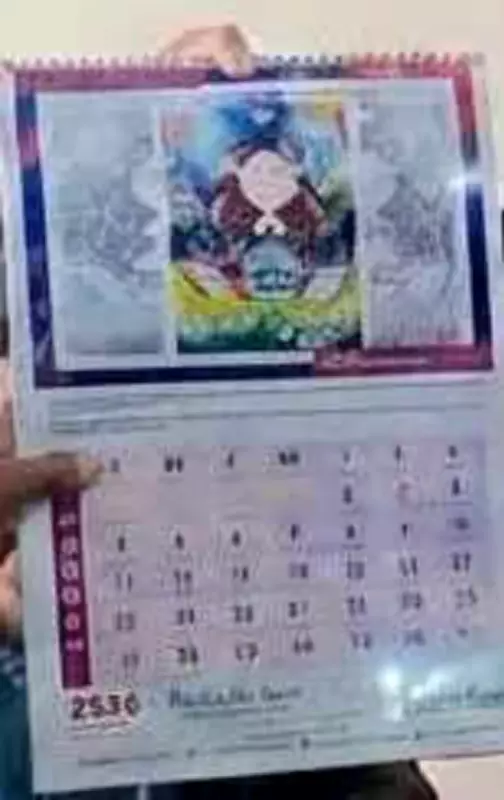
Indo-Pak Peace Calendar Released in Multan Amid Cricket Tensions
In a powerful display of people-to-people diplomacy, the Pakistan chapter of Aaghaz-e-Dosti, a prominent cross-border peace initiative, proceeded with the release of its 14th Indo-Pak peace calendar in Multan on Monday. This event unfolded despite the backdrop of the Pakistan government's recent decision to not play against India in the upcoming T20 World Cup match scheduled for February 15 in Sri Lanka, underscoring a resilient commitment to harmony beyond political and sporting disputes.
Children's Art as a Bridge for Harmony
The calendar, themed "children's art becoming a bridge for cross-border harmony", was officially launched at an event organized by the Pakistan chapter of Aaghaz-e-Dosti at the Human Rights Commission of Pakistan (HRCP) office in Multan. It features a collection of paintings and artwork meticulously created by children from both Pakistan and India, symbolizing the shared aspirations of young minds for peace, friendship, and regional unity. Interestingly, the calendar had previously been released in Anandpur Sahib, Punjab, on December 31, 2025, highlighting its cross-border significance.
Voices of Support and Solidarity
According to a release issued by the India chapter of Aaghaz-e-Dosti, Nazir Ahmad, a human rights defender and member of the initiative in Pakistan, emphasized the profound impact of children's artwork. He stated that these creations carry an honest and powerful message of peace, free from political prejudice, and reflect the common hopes of people, particularly the younger generation on both sides of the border.

Several dignitaries and activists voiced their support during the event:
- Liaqat Chohan, president of the National Party, Saraiki Region, stressed the urgency and importance of peace between Pakistan and India, noting the shared languages, culture, and social values that bind the two nations.
- Abid Chand, chairman of the Pakistan Minority Democratic Party, delivered a peace message and praised the artwork, commending Aaghaz-e-Dosti for using art as a meaningful tool to promote understanding.
- Irshad Bano, a social worker and human rights defender, appreciated the initiative and highlighted the crucial role of engaging children and youth in peace-building efforts.
- Faisal Tangwani, coordinator for South Punjab at HRCP, emphasized the need for peaceful relations and the vital role of civil society in fostering dialogue, tolerance, and regional harmony.
Commitment to Continued Peace Efforts
Nazir Ahmad reaffirmed the organization's dedication to continuing cross-border peace efforts through creative and collaborative initiatives. Civil society members, social workers, political activists, and human rights defenders collectively expressed solidarity with the message of peace, coexistence, and friendship between Pakistan and India, showcasing a united front for harmony.
Artistic Testament to Shared Aspirations
The calendar itself is a visual testament to the next generation's hopes, featuring 12 evocative paintings—6 from each nation—under the theme "Together We Rise". This artistic endeavor aims to envision a future defined by harmony rather than conflict, serving as a daily reminder of the potential for unity.
Legacy and Support
Over the years, the Aaghaz-e-Dosti initiative has garnered support from numerous luminaries, including:
- Asma Jahangir
- Sheema Kermani
- Salima Hashmi
- I A Rehman
- Shashi Tharoor
- Kuldeep Nayar
- Ela Gandhi
- Prof M S Swaminathan
This broad backing has cemented its role as a vital bridge in South Asian civil society, demonstrating the enduring appeal of peace-building across borders.






