

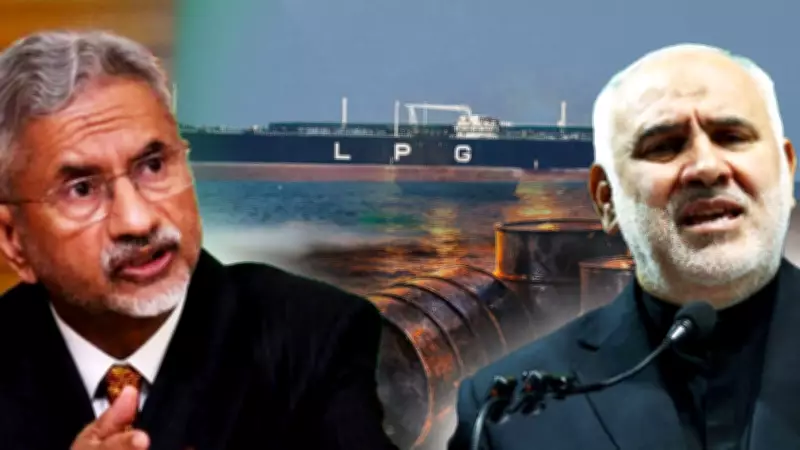
Iran Grants Safe Passage to Indian LPG Ships Through Strait of Hormuz
A significant diplomatic breakthrough has brought substantial relief to India's energy security landscape amidst escalating tensions in the Gulf region. Iran has officially permitted two Indian-flagged liquefied petroleum gas (LPG) carriers to safely cross the critical Strait of Hormuz, effectively easing widespread concerns about potential supply disruptions.
High-Level Diplomatic Engagements
This crucial development occurred just hours after Prime Minister Narendra Modi held extensive discussions with Iranian President Masoud Pezeshkian, focusing specifically on the safety of maritime trade routes and the uninterrupted flow of energy shipments. The talks emphasized the importance of regional stability and cooperative security measures.
Simultaneously, External Affairs Minister Subrahmanyam Jaishankar conducted parallel diplomatic conversations with Iran's Foreign Minister Abbas Araghchi, further reinforcing the dialogue about maintaining regional equilibrium and ensuring the protection of commercial vessels.

Strategic Importance of the Strait of Hormuz
The Strait of Hormuz represents one of the world's most vital energy corridors, through which approximately one-fifth of global oil trade passes annually. Any disruption in this narrow waterway has immediate and profound consequences for international energy markets, potentially triggering price volatility and supply chain complications worldwide.
For India, which depends heavily on this route for its substantial oil and gas imports, the successful transit of these LPG carriers marks a particularly significant moment. This development comes at a critical juncture when regional geopolitical tensions had raised legitimate concerns about energy security for the nation of 1.4 billion people.
Iran's Assurance and Diplomatic Signals
Earlier indications of this positive outcome emerged when Iran's Ambassador to India, Mohammad Fathali, had subtly hinted that Indian vessels would receive preferential treatment and safe passage through the strategic strait. This diplomatic signaling suggested Tehran's recognition of India's importance as a regional partner and energy consumer.
The coordinated diplomatic efforts by both Prime Minister Modi and External Affairs Minister Jaishankar appear to have yielded tangible results, demonstrating the effectiveness of India's proactive foreign policy approach in safeguarding its national interests.
Broader Implications for Energy Security
This development carries substantial implications beyond the immediate transit of two vessels:
- Enhanced bilateral relations between India and Iran at a delicate geopolitical moment
- Strengthened confidence in maritime security protocols for future shipments
- Potential establishment of precedents for cooperative security arrangements in volatile regions
- Reinforcement of India's diplomatic leverage in Middle Eastern affairs
The successful navigation of these LPG carriers through the Strait of Hormuz represents more than just a logistical achievement—it symbolizes the maturation of India's strategic diplomacy and its growing capability to secure its energy needs through international cooperation rather than confrontation.






