

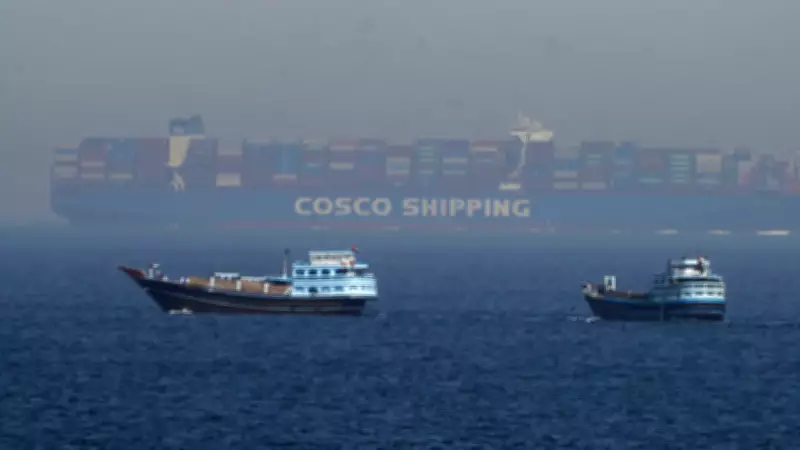
Iran Grants Safe Passage to Indian LPG Carriers Through Strait of Hormuz
In a significant diplomatic development, Iran has permitted two India-flagged liquefied petroleum gas (LPG) carriers to transit through the strategically vital Strait of Hormuz. This decision comes amid the ongoing conflict in the Middle East, as reported by Reuters citing four sources with direct knowledge of the matter.
Ambassador Confirms Safe Transit for Indian-Bound Vessels
Iran's Ambassador to India, Mohammad Fathali, has officially confirmed that Tehran will provide safe passage to vessels bound for India through the Strait of Hormuz. This waterway is recognized as one of the world's most critical routes for global energy trade, handling a substantial portion of maritime oil and gas shipments.
When questioned about whether Iran would allow Indian ships safe transit through the strait, Ambassador Fathali responded affirmatively, stating, "Yes. Because India and I are friends. You can see the future, and I think that after two or three hours. Because we believe that. We believe that Iran and India are friends. We have common interests; we have a common fate."

He further elaborated on the mutual responsibility between the two nations, emphasizing, "Suffering of the people of India is our suffering and vice versa. And for this reason, the government of India help us, and we should help the government of India because we have a common fate and common interest."
Broader Context of Regional Tensions and Energy Trade
The development occurs against a backdrop of heightened regional tensions, including recent military actions and diplomatic exchanges. Reuters, citing two sources and shipping data from Lloyd's List Intelligence, reported that a crude oil tanker carrying Saudi Arabian oil is expected to arrive in India on Saturday after transiting the Strait of Hormuz around March 1.
In a related diplomatic critique, Iranian Foreign Minister Seyed Abbas Araghchi criticized the United States over its stance on Russian oil. He accused Washington of now "begging" countries, including India, to buy Russian crude despite earlier pressure to halt such imports.
In a post on social media platform X, Araghchi stated, "The US spent months on bullying India into ending oil imports from Russia. After two weeks of war with Iran, White House is now begging the world--including India--to buy Russian crude." He also criticized European countries for supporting what he termed an "illegal war" against Iran, remarking, "Europe thought backing illegal war on Iran would win US support against Russia. Pathetic."
Implications for India-Iran Relations and Global Energy Security
This move underscores the strengthening bilateral ties between India and Iran, particularly in the realm of energy security and maritime cooperation. The safe passage assurance is likely to bolster India's energy imports, which are crucial for its domestic LPG and crude oil needs.
The Strait of Hormuz serves as a chokepoint for approximately one-fifth of the world's oil consumption, making such transit permissions vital for global energy stability. Iran's gesture may be viewed as a strategic effort to maintain positive relations with India amid broader geopolitical conflicts in the Middle East.
As regional dynamics continue to evolve, this development highlights the intricate interplay between diplomacy, energy trade, and international alliances. It also reflects Iran's willingness to prioritize bilateral friendships over regional hostilities, potentially setting a precedent for future cooperation in turbulent times.






