

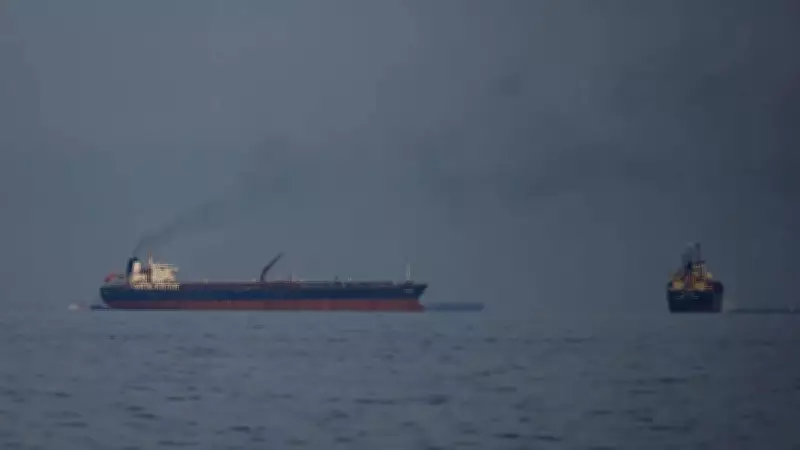
Iran Grants Passage to LPG Tankers Bound for India Through Strait of Hormuz
In a significant development amid escalating tensions in the Middle East, Iran has reportedly permitted two liquefied petroleum gas (LPG) tankers to navigate the Strait of Hormuz en route to India. This move comes as concerns mount over potential supply disruptions in India due to the ongoing conflict involving Israel, Iran, and the United States.
Easing Supply Worries with Additional Tanker Movements
According to sources and ship-tracking data from Lloyd’s List Intelligence cited by Reuters, a crude oil tanker carrying Saudi Arabian cargo is scheduled to arrive in India on Saturday after passing through the Strait around March 1. This additional shipment is expected to further alleviate supply anxieties for India, a major energy-importing nation heavily reliant on stable maritime routes.
Iranian Officials Confirm Safe Access for Indian Ships
Iran's ambassador to India, Mohammad Fathali, recently confirmed that India enjoys safe access to the Strait of Hormuz, emphasizing the friendly relations between the two countries. "Yes, because India is our friend. You will see it within two or three hours. We believe that Iran and India share common interests in the region," Fathali stated when questioned about access for Indian vessels.

Adding to this, Dr. Abdul Majid Hakeem Ilahi, the Representative of Iran’s Supreme Leader in India, discussed the allowance of Indian ships. "Actually, there have been some discussions concerning this, and I am sure that India will benefit from oil, gas, and other resources," he said. Ilahi also called for global leaders to intervene, urging them to pressure the United States and Israel to halt what he described as an unjust war against civilians.
Strategic Importance of the Strait of Hormuz
The Strait of Hormuz is recognized as one of the world's most critical maritime chokepoints for oil and gas trade. Any disruption to shipping through this passage can have far-reaching implications for global energy markets, particularly for nations like India that depend on imports to meet their energy needs. The current permissions granted by Iran are seen as a crucial step in maintaining stability in the region's trade flows.
Broader Context of Regional Conflict
This development occurs against a backdrop of heightened military actions and diplomatic statements. Recent reports indicate that Israel has struck over 200 targets in Iran, with a drone hitting a residential apartment in Beirut. In a separate incident, two Indians were killed and ten injured in an Iranian drone attack in Oman, according to official statements.
Former U.S. President Donald Trump has also weighed in, claiming that Iran is "about to surrender" and asserting that the U.S. "got rid of a cancer threatening us all." These events underscore the volatile nature of the Middle East conflict, making Iran's decision to allow tanker passage to India a noteworthy gesture of cooperation amid the turmoil.
In summary, Iran's allowance of LPG and crude oil tankers to India via the Strait of Hormuz provides a temporary reprieve from supply concerns. With Iranian officials affirming safe access and emphasizing shared interests, this move highlights the complex interplay of energy security and geopolitical dynamics in the region. As the conflict continues, the stability of this vital maritime route remains a key focus for global observers and energy-dependent economies alike.






