

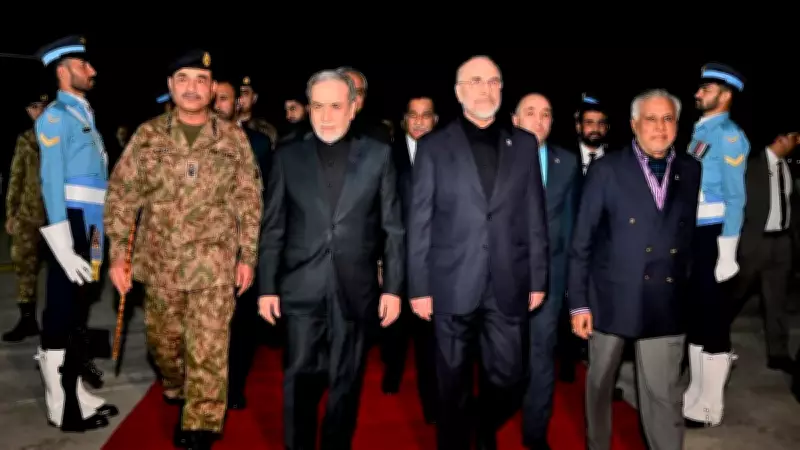
Iran Accuses US of 'Unreasonable' Demands as Islamabad Talks Collapse
In a significant diplomatic development, Iran has publicly blamed the United States for the failure of recent talks held in Islamabad, citing what it describes as "unreasonable" American demands. The discussions, aimed at resolving longstanding tensions, ended without progress, leaving a deadlock that continues to strain bilateral relations.
Details of the Failed Negotiations
The talks, which took place in Islamabad, were intended to address critical issues between Iran and the US, including nuclear concerns, regional security, and economic sanctions. According to Iranian officials, the US delegation presented demands that were deemed excessive and unworkable, effectively derailing the negotiations. Iranian representatives emphasized that their government remains open to dialogue but insists on fair and balanced terms.
The deadlock highlights the persistent challenges in US-Iran relations, which have been marked by decades of mistrust and conflicting interests. Despite efforts to find common ground, both sides appear entrenched in their positions, with Iran accusing the US of failing to offer realistic compromises.

Implications for Regional and Global Diplomacy
The failure of the Islamabad talks has broader implications for regional stability and international diplomacy. Key points include:
- Increased Tensions: The stalemate could exacerbate existing conflicts in the Middle East, where Iran and the US have opposing stances on issues such as Yemen and Syria.
- Economic Impact: Continued sanctions and lack of agreement may further hinder Iran's economy and affect global oil markets.
- Diplomatic Isolation: The deadlock might push Iran to seek alliances with other nations, potentially altering geopolitical dynamics.
Analysts note that the US has not yet issued a formal response to Iran's accusations, but previous statements suggest a focus on verifiable commitments from Iran regarding its nuclear program and regional activities. This ongoing impasse underscores the complexity of achieving a breakthrough in US-Iran relations.
Future Prospects and Next Steps
While the Islamabad talks have ended in failure, both nations have indicated a willingness to continue diplomatic efforts. However, the path forward remains uncertain. Iranian officials have called for a reassessment of US demands, urging a more pragmatic approach. In contrast, the US is likely to maintain pressure through sanctions and diplomatic channels until its core concerns are addressed.
The situation serves as a reminder of the delicate balance required in international negotiations, where mutual concessions are often necessary to achieve lasting solutions. As the deadlock persists, stakeholders worldwide are closely monitoring developments, hoping for a resolution that promotes peace and stability.






