

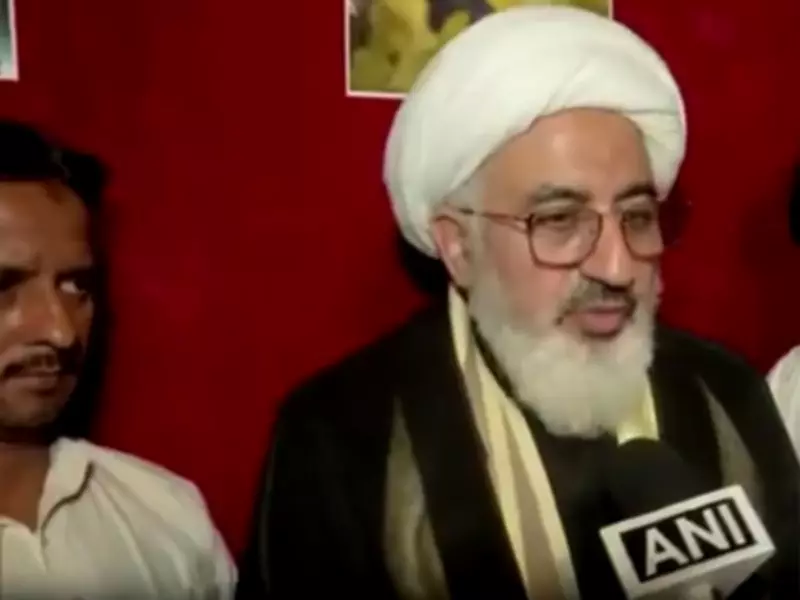
Iran's Diplomat in India Attributes Failed Nuclear Negotiations to US 'Unlimited Demands'
In a significant diplomatic statement, the representative of Iran's Supreme Leader in India has declared that recent nuclear talks with the United States have failed, primarily due to what he described as the 'unlimited demands' from Washington. This announcement underscores the persistent and escalating tensions between the two nations over the revival of the Joint Comprehensive Plan of Action (JCPOA), commonly known as the Iran nuclear deal.
Background of the Stalled Negotiations
The negotiations, aimed at restoring the 2015 nuclear agreement, have been stalled for months, with both sides accusing each other of intransigence. The JCPOA, which was designed to curb Iran's nuclear program in exchange for sanctions relief, has been in limbo since the US withdrew from it in 2018 under the Trump administration. Efforts to revive the deal under the Biden administration have faced numerous hurdles, including disagreements over sanctions removal and Iran's nuclear activities.
The Iranian representative emphasized that Tehran had shown flexibility in the talks, but the US continued to impose new conditions, making a breakthrough impossible. He argued that Washington's approach was not conducive to a fair and balanced agreement, as it sought concessions beyond the original framework of the JCPOA.

Implications for Regional and Global Diplomacy
This development has far-reaching implications for international relations, particularly in the Middle East. The failure of talks could lead to increased regional instability, as Iran might accelerate its nuclear program in response to perceived US hostility. Additionally, it complicates efforts by other world powers, such as the European Union, Russia, and China, who have been mediating the negotiations to prevent a nuclear crisis.
The statement from Iran's representative in India also highlights the role of diplomatic channels in South Asia, where Iran seeks to bolster its international standing amid ongoing sanctions. India, as a key regional player with historical ties to Iran, has a vested interest in the outcome of these talks, given its energy needs and strategic partnerships.
Future Prospects and Challenges
Looking ahead, the path to resuming negotiations appears fraught with challenges. Both Iran and the US have hardened their positions, with Iran demanding guarantees that future US administrations will not abandon the deal again, and the US insisting on stricter limits on Iran's nuclear and missile programs. The 'unlimited demands' cited by Iran's representative suggest a deep-seated mistrust that may require third-party intervention to overcome.
- Key Obstacles: Sanctions relief, nuclear enrichment levels, and regional security concerns.
- Potential Mediators: The EU and other global powers could play a crucial role in bridging the gap.
- Impact on Global Economy: Continued sanctions on Iran affect oil markets and international trade.
In conclusion, the failed talks, as blamed on US 'unlimited demands' by Iran's Supreme Leader's representative, reflect the complex and contentious nature of nuclear diplomacy. As both nations remain at an impasse, the international community watches closely, hoping for a resolution that averts further escalation and promotes stability in the region.






