

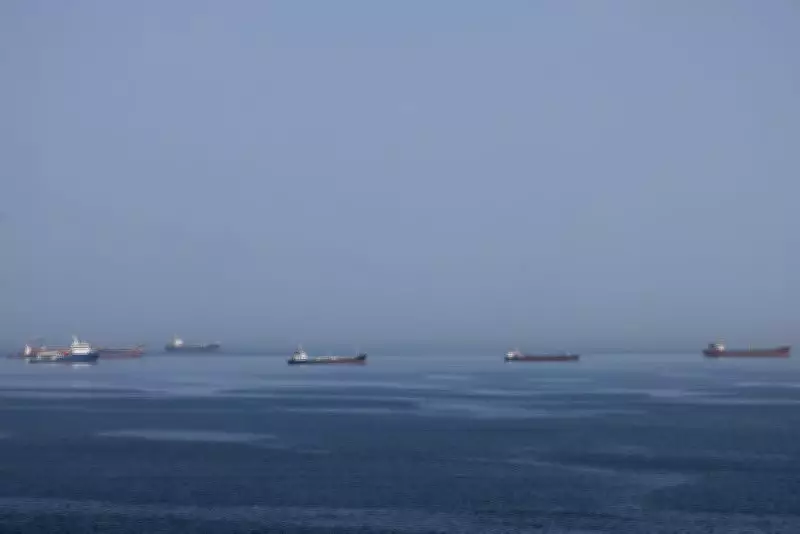
Iran Denies Passage to Pakistan-Bound Container Ship in Strait of Hormuz
In a significant move highlighting heightened maritime control, Iran has prevented the container vessel SELEN from transiting the Strait of Hormuz. The ship, bound for Karachi, Pakistan, was turned back due to alleged non-compliance with mandatory protocols, as announced by the Islamic Revolutionary Guard Corps (IRGC) Navy.
Details of the Incident and Official Statements
The IRGC Navy Commander, Alireza Tangsiri, stated that the SELEN was "turned back due to failure to comply with legal protocols and lack of permission to pass through the Strait of Hormuz." He emphasized that any vessel seeking to navigate this strategic waterway must coordinate fully with Iran's maritime authorities. This enforcement action underscores Iran's operational grip over the chokepoint, which is crucial for global energy shipments.
Shipping data indicates that the SELEN, sailing under the flag of St Kitts & Nevis, was last reported in the Persian Gulf approximately 14 hours prior to the incident. It was en route to Karachi with a cargo of food supplies, with an expected arrival date of March 27. The denial of passage has raised concerns about the implications for regional trade and security.

Broader Context and Regional Tensions
This development occurs against a backdrop of escalating tensions in West Asia. Notably, it follows a recent offer by Pakistan Prime Minister Shehbaz Sharif to host talks between the United States and Iran—a proposal that received public acknowledgment from US President Donald Trump. While Pakistan aims to position itself as a mediator in regional conflicts, Iran's action with the SELEN sends a contradictory signal, highlighting the complex dynamics at play.
The Strait of Hormuz remains one of the world's most vital energy arteries, facilitating the transit of a substantial portion of global oil shipments. Any restrictions on vessel movement, even on procedural grounds, are closely monitored for their potential impact on global trade and energy security. Iran has recently reiterated that passage through the strait will be subject to its security framework, permitting only "non-hostile" vessels that adhere to its regulations.
Implications for Maritime Security and International Relations
The blocking of the SELEN suggests that Iran is actively operationalizing its conditions for transit, potentially signaling a more assertive stance in controlling the waterway. This incident could have wider repercussions, affecting shipping routes and diplomatic relations in the region. Analysts are watching closely to see if this marks a trend of increased enforcement by Iran, which could lead to further disruptions in maritime traffic.
As tensions continue to simmer, the international community remains vigilant about developments in the Strait of Hormuz. The situation underscores the delicate balance between national security interests and the free flow of global commerce, with Iran's actions likely to influence future maritime policies and regional stability.






