

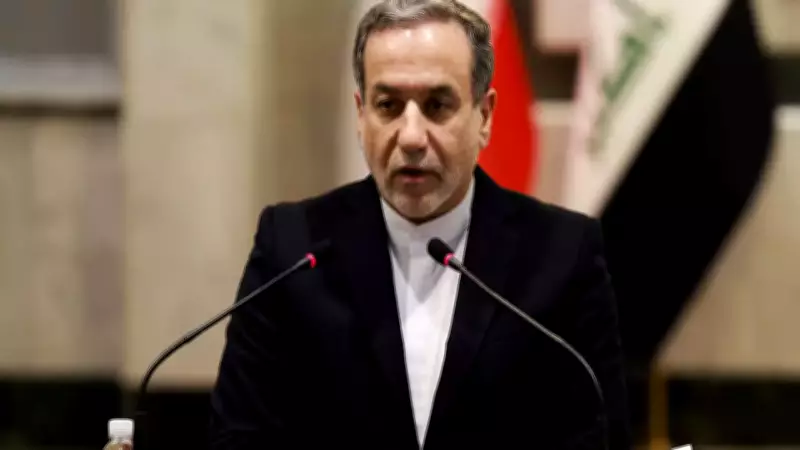
Iran Calls for International Restraint Amid Rising Tensions
In a significant diplomatic move, Iran's Foreign Minister Abbas Araghchi has issued a strong appeal to the global community, urging countries to refrain from any actions that could potentially escalate and expand the ongoing conflict in the region. This call for restraint was made during a telephonic conversation with French Foreign Minister Jean-Noel Barrot on Sunday, as confirmed by an official statement from the Iranian foreign ministry.
Context of Araghchi's Appeal
The Iranian foreign minister's remarks come in direct response to recent statements by US President Donald Trump, who has called upon other nations to deploy warships to help safeguard world oil supplies passing through the strategically vital Strait of Hormuz. This waterway is a critical chokepoint for global energy shipments, and any disruption could have far-reaching economic consequences.
Araghchi emphasized the need for all parties to exercise maximum caution, warning that provocative actions could lead to a dangerous broadening of the hostilities. His message underscores Iran's growing concern over the potential for the conflict to spiral out of control, drawing in additional actors and exacerbating regional instability.

Switzerland's Neutral Stance on Overflights
In a related development, the Swiss government has demonstrated its commitment to neutrality by making a decisive ruling on US military overflight requests. On Saturday, Swiss authorities announced that they had reviewed several requests from US military and official aircraft seeking permission to fly over Swiss territory.
Based on Switzerland's long-standing law of neutrality, the government rejected two specific overflight requests that were directly related to the Iran conflict and served a clear military purpose. However, in a balanced approach, they permitted three other overflights that were deemed unrelated to the conflict or involved humanitarian and medical missions.
The Swiss government clarified its position, stating: "The law on neutrality prohibits overflights by parties to the conflict that serve a military purpose related to the conflict. Permitted are humanitarian and medical transits, including the transport of wounded persons, as well as overflights that are unrelated to the conflict."
Broader Implications for Regional Security
These developments highlight the complex and multi-faceted nature of the current tensions involving Iran, Israel, and the United States. Key points to consider include:
- Diplomatic Channels: Iran's direct communication with France indicates ongoing efforts to engage European powers in de-escalation talks, despite the heightened rhetoric.
- Neutral Nations' Role: Switzerland's actions demonstrate how neutral countries can influence conflict dynamics by enforcing strict adherence to international laws and principles.
- Economic Concerns: The focus on the Strait of Hormuz underscores the critical intersection of geopolitical tensions and global energy security, with potential impacts on oil markets worldwide.
- Humanitarian Considerations: The allowance for medical and humanitarian flights by Switzerland points to the importance of maintaining corridors for essential aid, even amid military confrontations.
As the situation continues to evolve, the international community faces mounting pressure to navigate these delicate diplomatic waters carefully. The calls for restraint from Iran and the principled stance of neutral nations like Switzerland may play crucial roles in preventing further escalation and preserving regional stability.






