

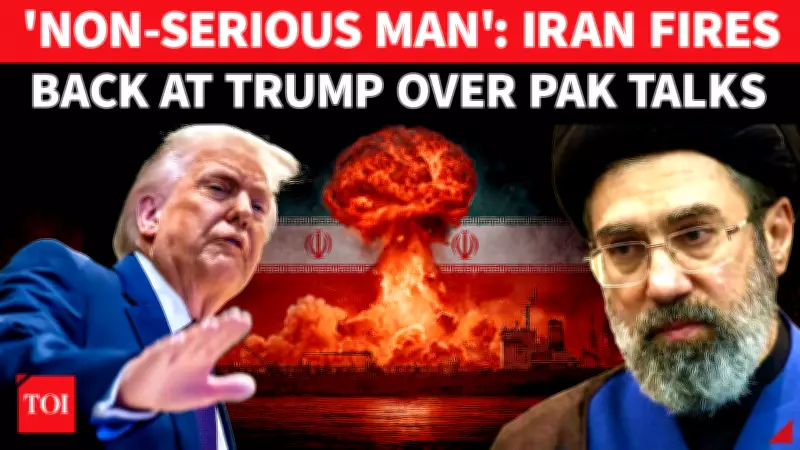
Iran Accuses United States of Ceasefire Violation Over Naval Blockade
The fragile ceasefire agreement between Iran and the United States is facing a severe crisis as Tehran has formally accused Washington of violating the terms through military actions in the Persian Gulf region. The Iranian government has declared that the US naval blockade established at the strategic Strait of Hormuz constitutes a direct breach of their ceasefire understanding.
Alleged Attack on Iranian Vessel and Diplomatic Breakdown
In addition to the blockade accusation, Iran has claimed that American forces conducted an attack on an Iranian vessel in the Sea of Oman, further escalating hostilities. These developments have led Tehran to firmly reject any proposed second round of diplomatic talks with the United States, citing what they describe as a complete erosion of trust in Washington's intentions and commitments.
"The United States has demonstrated through its actions that it cannot be trusted as a negotiating partner," an Iranian official stated, highlighting the diplomatic impasse that has emerged despite ongoing regional diplomatic efforts.

Strategic Warning About Oil Exports and Maritime Security
Iran has issued a stark warning linking the security of maritime traffic through the Strait of Hormuz directly to its own oil export capabilities. This declaration positions the vital waterway—through which approximately one-fifth of the world's oil supply passes—as a potential flashpoint in the escalating confrontation.
The situation is further complicated by Pakistan's preparations to host a US diplomatic delegation, highlighting the widening gap between diplomatic initiatives and the deteriorating reality on the ground in the Gulf region.
Rising Military Activity and Global Concerns
Multiple indicators point to rapidly escalating tensions:
- Increased drone activity and surveillance operations
- Heightened naval deployments by both nations
- Sharp rhetorical exchanges between government officials
- Growing military preparedness in the region
The Strait of Hormuz has transformed from a critical commercial artery into a primary pressure point in the US-Iran confrontation, with global energy markets and international observers monitoring developments closely. The combination of military posturing, diplomatic rejection, and strategic warnings suggests the crisis may be entering a more dangerous phase with potentially far-reaching consequences for regional stability and global oil supplies.






