US Envoy Raises Alarm Over Iran's Nuclear Capabilities Amid Escalating Tensions
Special envoy Steve Witkoff, representing President Donald Trump's administration in the Middle East, has issued a stark warning regarding Iran's nuclear potential. In a recent interview with Fox News, Witkoff suggested that Iran could theoretically be just one week away from enriching uranium to weapons-grade levels, highlighting renewed concerns in Washington about the Islamic Republic's atomic ambitions.
Theoretical Capability Versus Current Reality
While emphasizing the seriousness of Iran's potential nuclear rebuilding capacity, Witkoff acknowledged critical limitations in Tehran's current capabilities. The envoy clarified that Iran presently lacks access to necessary materials, possesses insufficient equipment for enrichment activities, and maintains no active weapons program to operationalize such materials. This distinction between theoretical capability and practical reality forms a crucial aspect of the ongoing nuclear assessment.
"They're probably a week away from having industrial-grade bomb-making material. And that's really dangerous. So they can't have that," Witkoff stated during the interview, underscoring the administration's apprehension about Iran's potential to reconstitute elements of its nuclear program destroyed in previous military actions.

Aftermath of June 2025 Coordinated Strikes
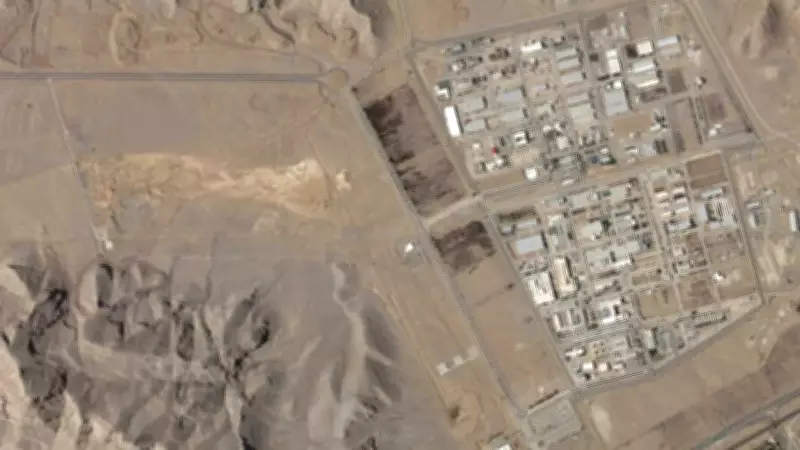
The context for these concerns traces back to Operation Midnight Hammer in June 2025, when coordinated strikes by Israel and the United States targeted Iran's nuclear infrastructure. These attacks reportedly destroyed approximately 20,000 nuclear centrifuges, dismantled weaponization programs, and severely damaged three main nuclear sites along with dozens of smaller facilities.
The military action also resulted in the deaths of several leading nuclear scientists and caused structural collapses at key installations, significantly impeding Iran's ability to access its existing stockpile of enriched uranium. Before these strikes, intelligence estimates suggested Iran was approximately one week away from weaponizing its uranium, with an additional three to six months required to integrate materials into missile systems and assemble nuclear weapon components.
Shrinking Nuclear Timeline and Current Assessments
Prior to the 2025 strikes, Iran's nuclear threshold window had narrowed dramatically from earlier two-year estimates to just one week, creating significant concerns within Israeli intelligence about detecting Tehran's potential crossing of the nuclear threshold. Currently, both US and Israeli assessments indicate Tehran remains at least two years away from becoming a potential nuclear power, though this timeline continues to trouble the Benjamin Netanyahu-led government in Israel and the Trump administration in Washington.
US Red Lines and Negotiation Stance
Witkoff emphasized the Trump administration's firm position on uranium enrichment, repeating the president's earlier demand for "zero enrichment" by Iran under any future agreement. "There have been some very hard red lines drawn," the envoy stated, while acknowledging reports that Trump might consider limited compromise proposals allowing "token" uranium enrichment under strict verification protocols ensuring exclusively civilian use.
Regarding diplomatic negotiations, Witkoff offered insight into Trump's perspective, describing the president as "curious" rather than frustrated about Iran's refusal to reach agreements. "He's curious as to why they haven't capitulated ... under this sort of pressure, with the amount of sea power, naval power that we have over there," Witkoff explained, providing a rare glimpse into presidential decision-making on Iran policy.
Domestic Pressures and Regional Dynamics
The US envoy also highlighted growing domestic pressures within Iran as a significant factor in American decision-making. Recent protests have resurfaced across Iranian universities, with students demonstrating against the Islamic regime. Witkoff addressed questions about exiled crown prince Reza Pahlavi's potential role, noting that while Pahlavi "cares about his country," Iran's future ultimately depends on "President Trump's policies, not Pahlavi's policies."

As tensions continue to escalate between the Trump administration and Ayatollah Khamenei's establishment, the nuclear question remains central to regional security concerns. The combination of theoretical enrichment capabilities, post-strike reconstruction concerns, domestic Iranian pressures, and firm US red lines creates a complex diplomatic landscape with significant implications for Middle East stability and global non-proliferation efforts.