

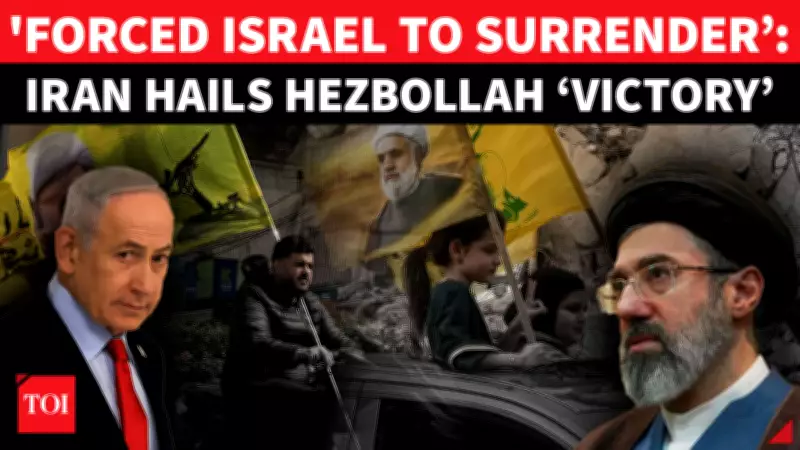
Iran Takes Credit for Israel-Hezbollah Ceasefire as 'Axis of Resistance' Victory
Iran has officially responded to the temporary 10-day ceasefire between Israel and Hezbollah that took effect on April 16, 2026. The country's Foreign Ministry spokesperson, Esmaeil Baqaei, welcomed the truce, describing it as a significant achievement resulting from Tehran's sustained diplomatic initiatives.
Diplomatic Efforts and Broader Ceasefire Understanding
Baqaei emphasized that the halt in Israeli operations against Lebanon is part of a wider ceasefire understanding between Iran and the United States. This agreement was facilitated through mediation by Pakistan, highlighting Iran's active role in regional diplomacy. He stated that Iran had consistently advocated for a comprehensive region-wide ceasefire, including in Lebanon, during negotiations with various international and regional stakeholders.
Following talks in Islamabad, Tehran pursued this objective with seriousness, underscoring its commitment to de-escalation in West Asia. Baqaei's remarks position the ceasefire as a strategic victory for what he termed the "axis of resistance," a coalition of Iran-aligned groups in the Middle East.

Context and Implications
The ceasefire comes amid ongoing tensions in the region, with Iran positioning itself as a key diplomatic player. By taking credit for the truce, Iran aims to bolster its influence and demonstrate its ability to shape events through negotiation rather than confrontation. This development is seen as part of broader efforts to reduce hostilities and promote stability in West Asia.
Iran's involvement in the ceasefire process reflects its ongoing engagement with global powers and regional actors to address conflicts. The role of Pakistan as a mediator adds an interesting dimension to the diplomatic landscape, suggesting potential for further multilateral cooperation in the future.






