

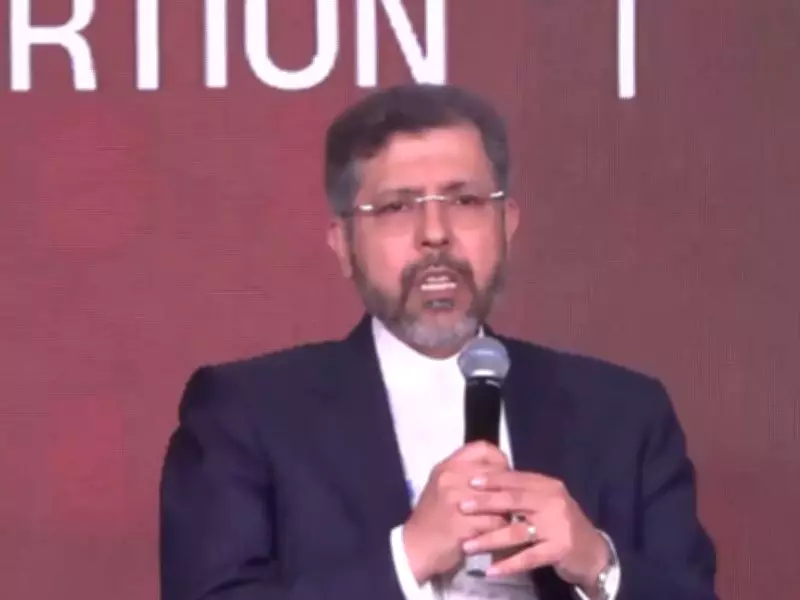
Iran's Deputy FM Rejects Temporary Ceasefire, Calls for Total End to Regional War
In a significant diplomatic statement, Iran's Deputy Foreign Minister Ali Bagheri Kani has firmly declared that Iran is not accepting any temporary ceasefire in the ongoing regional conflicts. Instead, he demanded a total and comprehensive end to the war affecting the Middle East, emphasizing Iran's stance on resolving the crisis through permanent solutions rather than short-term pauses.
Iran's Unwavering Position on Regional Stability
Ali Bagheri Kani, a key figure in Iran's foreign policy apparatus, made this announcement during recent discussions on the escalating tensions in the region. He highlighted that temporary ceasefires often fail to address the root causes of conflicts and can lead to renewed hostilities. Iran's position underscores its commitment to achieving lasting peace and stability, rather than settling for interim measures that might only provide temporary relief.
This demand comes amid heightened geopolitical tensions, with various nations and groups involved in the regional war. Iran has been a prominent player in Middle Eastern affairs, and its call for a total end to hostilities reflects its strategic interests in shaping the region's future. The Deputy Foreign Minister's statement is seen as a clear message to international actors and neighboring countries about Iran's priorities in conflict resolution.

Implications for Regional Diplomacy and International Relations
The rejection of a temporary ceasefire by Iran could have far-reaching implications for diplomatic efforts in the Middle East. It signals Iran's insistence on a holistic approach to peace, which may complicate ongoing negotiations and mediation attempts by other nations or international organizations. Experts suggest that this stance could influence the dynamics of regional alliances and the broader geopolitical landscape.
Iran's demand for a total end to the war also raises questions about the feasibility of such a goal, given the complex and multifaceted nature of the conflicts involved. The regional war encompasses various issues, including territorial disputes, sectarian tensions, and proxy battles, making a comprehensive resolution challenging. However, Iran's firm position indicates its willingness to push for ambitious diplomatic outcomes, even if it means facing opposition from other stakeholders.
In summary, Iran's Deputy Foreign Minister Ali Bagheri Kani has made it clear that Iran will not settle for temporary ceasefires, advocating instead for a complete cessation of hostilities in the regional war. This stance highlights Iran's role as a key actor in Middle Eastern diplomacy and its determination to pursue long-term peace solutions, despite the complexities involved.






