

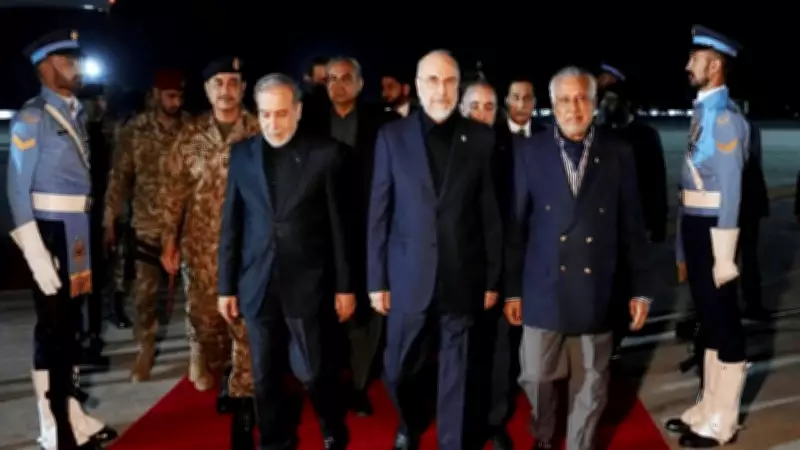
Iranian Official Alleges Attack Threats Forced Delegation Plane Diversion
In a startling revelation, Iranian delegation member Mohammad Marandi has asserted that the team traveling to Pakistan for talks with the United States received "direct threats and credible intelligence" indicating their aircraft could be attacked while en route to Islamabad. This security alert compelled a significant alteration in their return journey, highlighting escalating diplomatic tensions in the region.
Security Warnings Lead to Drastic Route Change
Speaking in an interview with the Lebanon-based Al Mayadeen network, Marandi detailed that the aircraft was diverted from its original flight path and instead landed in Mashhad, Iran. Following this unscheduled stop, the delegation continued their journey to Tehran using a combination of train, car, and bus. Marandi emphasized that this move was taken as a direct response to the security warnings received. He stated, "We received direct threats and credible intelligence indicating that the Iranian delegation's plane to Islamabad could be attacked."
He further explained the logistical adjustments made: "The plane changed its route, landed in Mashhad, and the delegation was transferred by train and vehicles to Tehran." This incident underscores the perceived risks faced by Iranian officials during sensitive diplomatic engagements.

Timing Linked to Broader Diplomatic Strains
Marandi also pointed to the timing of this development, linking it to broader diplomatic tensions between Iran and the United States. He noted, "Negotiations ended very abruptly... and that it was simultaneous with the opinion piece in the Washington Post," adding that it was "very close to the CIA." This connection suggests a complex interplay of media narratives and intelligence activities influencing the security landscape.
Despite the perceived dangers, Marandi described the delegation's resolve. "So the Iranians definitely felt threatened... everyone boarded the plane. No one wanted to stay in Pakistan and everyone was willing to take the risk," he said. He praised their composure, comparing it to "the Iranian people on the streets who during the missile attacks took the risks and they remained steadfast on the streets."
US President Comments on Potential Resumption of Talks
In related developments, US President Donald Trump commented on Wednesday that talks aimed at ending the conflict with Iran could resume in Pakistan within the next two days, following the collapse of weekend negotiations. According to reports from the New York Post, Trump stated, "You should stay there...because something could be happening over the next two days, and we are more inclined to go there."
Meanwhile, two US officials confirmed on Wednesday that discussions are still underway regarding a possible new round of talks. Additionally, a diplomat from one of the mediating countries reported that Iran and the US had agreed to a second round of negotiations, as per various media sources. This indicates ongoing diplomatic efforts despite the security concerns raised by the Iranian delegation.
The incident raises critical questions about the security protocols for high-stakes international dialogues and the broader geopolitical dynamics at play. As tensions persist, the world watches closely for further developments in this unfolding diplomatic saga.






