

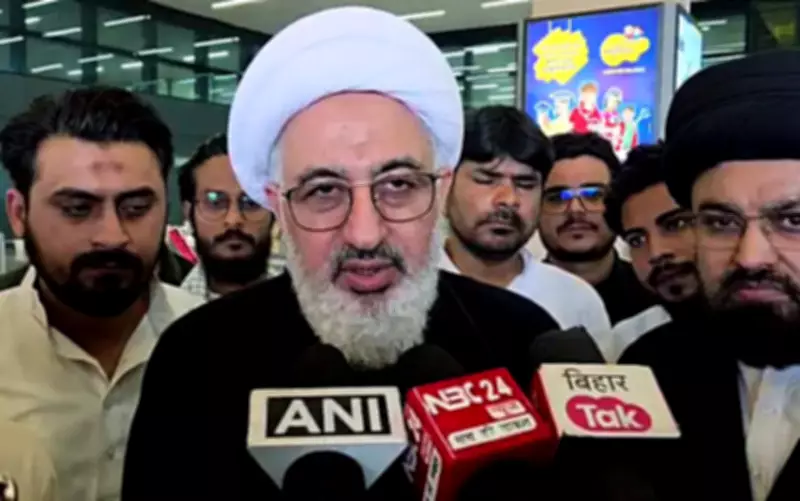
Iran's Diplomat in India Calls for Global Intervention in West Asia Conflict
In a significant address delivered in Patna on Sunday, Abdul Majid Hakeem Ilahi, the representative of Iran's supreme leader in India, emphasized the urgent need for international cooperation to resolve the escalating West Asia conflict. Ilahi specifically highlighted India's unique diplomatic position as a potential catalyst for peace in the region.
India's Strategic Role in Facilitating Dialogue
Ilahi articulated that all nations, including India, possess the capacity to contribute positively toward ending the hostilities. He elaborated that India is particularly well-suited for this role due to its multifaceted relationships with various stakeholders across West Asia. India maintains credible diplomatic ties with multiple sides in the region and has consistently advocated for dialogue, national sovereignty, and peaceful dispute resolution on the global stage.
Through proactive diplomatic engagement, India can effectively encourage restraint among conflicting parties, support ceasefire initiatives, and collaborate with international partners to de-escalate tensions, Ilahi asserted. He envisions India leveraging its diplomatic capital to foster an environment conducive to negotiation and stability.

Dismissal of Pakistan's Mediation Claims
In a pointed remark, Ilahi categorically dismissed any purported role for Pakistan in mediating the ongoing conflict between Iran and the United States. He clarified that no substantive talks or dialogue have been initiated by Pakistan to broker peace between these nations. According to Ilahi, such claims are not grounded in genuine diplomatic efforts but are instead strategic maneuvers aimed at influencing global oil prices and market perceptions.
Context of the Conflict and Accusations
Ilahi made these statements while attending a condolence meeting in Patna City organized following the death of Iran's former supreme leader, Ayatollah Ali Khamenei. He framed the conflict as one imposed on Iran by external forces, specifically accusing the United States and Israel of launching coordinated attacks on February 28th. These attacks, he claimed, targeted critical civilian infrastructure, including:
- Hospitals and medical facilities
- Educational institutions and schools
- Residential areas and housing complexes
Ilahi asserted that the responsibility for ending the conflict lies squarely with the US and Israel, whom he identified as the initiators of the hostilities. The conflict in West Asia originated from joint US-Israel military strikes on Iran, which tragically led to the death of Ayatollah Ali Khamenei, he explained. In response, Tehran conducted retaliatory measures targeting Israeli and US assets in several Gulf nations, actions that have disrupted vital waterways and adversely impacted international energy markets and global economic stability.
Humanitarian Impact and Iran's Stance
Ilahi emphasized the severe humanitarian toll of the conflict, noting that civilians across multiple countries are enduring immense suffering. He issued a heartfelt plea for global leaders to intervene and address this crisis. Reiterating Iran's official position, Ilahi stated, "Iran did not desire this war. To this day, Iran has not wanted this conflict, and Iran seeks to halt this war immediately. Regrettably, this unjust war was forced upon Iran."
He concluded with a call to action, urging people and leaders worldwide to unite in demanding that the war's initiators cease hostilities. The path to peace, according to Ilahi, requires collective international pressure and diplomatic ingenuity, with nations like India playing a pivotal role in bridging divides and fostering reconciliation.






