

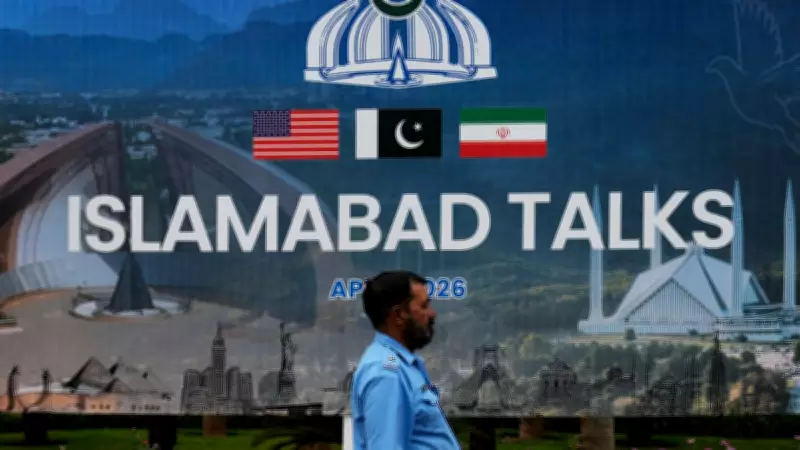
Iran Withdraws from Ceasefire Negotiations in Pakistan, Cites Unrealistic US Demands
In a significant diplomatic development, Iran has announced its withdrawal from the 'Ceasefire 2.0' talks being held in Pakistan. The Iranian government has cited what it describes as unrealistic demands from the United States as the primary reason for this abrupt exit. This move threatens to derail ongoing efforts to stabilize the region and could have far-reaching implications for international relations.
Unrealistic US Demands Prompt Iranian Exit
According to official statements from Tehran, the United States presented a series of conditions during the negotiations that Iran deemed unacceptable and impractical. These demands, which have not been fully disclosed, were characterized by Iranian officials as overly stringent and not conducive to achieving a fair and lasting peace agreement. The Iranian delegation expressed frustration over what they perceived as a lack of flexibility from the US side, arguing that such an approach undermines the spirit of dialogue and compromise essential for successful ceasefire talks.
Threat of Hormuz Blockade by 2026
In a related and highly provocative statement, Iran has also threatened to block the Strait of Hormuz by 2026 if its security concerns are not adequately addressed. The Strait of Hormuz is a critical maritime chokepoint through which a substantial portion of the world's oil shipments passes. This threat underscores Iran's willingness to leverage its strategic position to exert pressure on global powers, particularly the United States and its allies. Such a blockade could severely disrupt global energy supplies and escalate tensions in an already volatile region.

Implications for Regional Stability and International Relations
The withdrawal of Iran from the ceasefire talks in Pakistan poses a serious challenge to regional stability. Key implications include:
- Increased Tensions: The move is likely to heighten hostilities and mistrust among involved parties, potentially leading to further conflicts.
- Diplomatic Setback: Efforts to broker peace through dialogue have suffered a significant blow, with no immediate alternative framework in sight.
- Economic Risks: The threat to block the Strait of Hormuz raises concerns about potential disruptions to international trade and energy markets.
- Global Repercussions: This development could influence broader geopolitical dynamics, affecting relations between major powers and regional actors.
As the situation unfolds, the international community is closely monitoring Iran's next steps and the responses from the United States and other stakeholders. The failure of these talks highlights the complex and often contentious nature of ceasefire negotiations in conflict-prone regions.






