

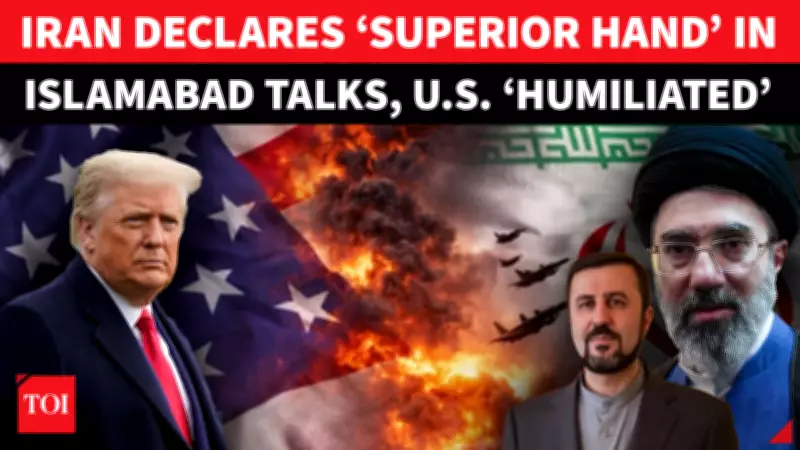
Iran Asserts Superior Position in Islamabad Negotiations as Trump Observes
High-stakes diplomatic negotiations continue in Islamabad with Iranian officials confidently claiming they hold the "upper hand" in ongoing discussions with the United States. The tense talks, mediated by Pakistan, represent one of the most closely monitored diplomatic engagements in recent years as both nations exchange sharp positions on critical regional matters.
Strategic Discussions on Multiple Fronts
The Islamabad negotiations focus on several sensitive topics that have long strained Iran-US relations. Regional security arrangements form a central component of the discussions, alongside ceasefire conditions in various conflict zones and strategic maritime routes that impact global trade and military movements. Iranian representatives have emphasized their preparedness for any scenario, signaling confidence in their negotiating position despite American pressure.
While Iran insists it enters these talks from a position of strength, US officials continue to push for progress toward a broader diplomatic framework that would address multiple outstanding issues between the two nations. The situation remains particularly tense as both sides test each other's limits and strategic patience in what observers describe as a delicate diplomatic dance.

Mediation and International Attention
Pakistan's role as mediator has become increasingly significant as the talks progress. The Islamabad venue provides neutral ground for these sensitive discussions, though the shadow of former US President Donald Trump's administration looms large over the proceedings. Trump's continued interest in Middle Eastern affairs adds an additional layer of complexity to negotiations that already involve multiple regional security concerns.
The international community watches closely as these discussions unfold, recognizing their potential to reshape regional dynamics in the Middle East and beyond. The outcome could influence everything from energy security to counterterrorism cooperation, making every development in Islamabad subject to intense scrutiny from global capitals.
Broader Regional Implications
Beyond the immediate US-Iran discussions, the Islamabad talks carry implications for several neighboring countries and ongoing conflicts. The negotiations occur against a backdrop of regional tensions that include:
- Ongoing security challenges in the Persian Gulf
- Ceasefire negotiations in various conflict zones
- Strategic competition in key maritime corridors
- Broader diplomatic efforts to stabilize the region
As both Iranian and American officials navigate these complex discussions, the world waits to see whether diplomatic breakthroughs can be achieved or whether positions will harden further. The coming days in Islamabad will likely determine whether these talks represent a genuine opportunity for de-escalation or merely another chapter in the long-standing tensions between Tehran and Washington.






