

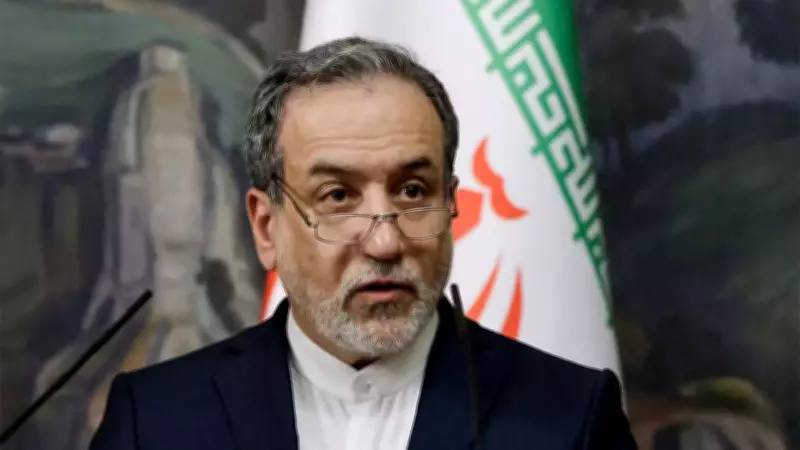
Iran's Top Diplomat Launches Scathing Critique of US Oil Policy Shift
In a striking diplomatic broadside, Iran's Foreign Minister Seyed Abbas Araghchi has launched a sharp criticism against the United States regarding its evolving stance on Russian crude oil imports. The Iranian diplomat claimed that Washington, after previously pressuring nations including India to cease purchasing Russian oil, is now actively "begging" these same countries to resume such imports amid ongoing regional tensions.
Social Media Post Highlights Perceived US Policy Reversal
Taking to social media platform X, Araghchi posted a pointed message highlighting what he characterized as a dramatic shift in American foreign policy. "The US spent months on bullying India into ending oil imports from Russia," Araghchi wrote. "After two weeks of war with Iran, White House is now begging the world—including India—to buy Russian crude."
The Iranian foreign minister didn't limit his criticism to American policy alone. He also took aim at European nations for their position in the current conflict, asserting that "Europe thought backing illegal war on Iran would win US support against Russia." Araghchi concluded his social media commentary with a single, blunt assessment: "pathetic."

Geopolitical Context and Diplomatic Interactions
Araghchi's pointed remarks arrived just one day after he engaged in a diplomatic conversation with his Indian counterpart, External Affairs Minister S. Jaishankar. This discussion marked the fourth direct interaction between the two foreign ministers since tensions escalated significantly across the Middle East region. The frequency of these communications underscores the complex diplomatic landscape currently unfolding.
Meanwhile, Iran has demonstrated a notable gesture toward India by permitting two India-flagged liquefied petroleum gas carriers to transit through the strategically vital Strait of Hormuz. This decision comes despite the ongoing military conflict in the region, according to sources with direct knowledge of the matter who spoke with Reuters.
Shipping Data Reveals Continued Energy Movement
Additional shipping intelligence from Lloyd's List Intelligence, cited by Reuters, indicates that a crude oil tanker transporting Saudi Arabian oil successfully navigated the Strait of Hormuz earlier this month and is expected to arrive in India. This movement suggests that despite regional hostilities, critical energy shipments continue to traverse these contested waters.
Iran's ambassador to India, Mohammad Fathali, previously confirmed Tehran's commitment to ensuring safe passage for vessels destined for India through the Strait of Hormuz. When questioned about whether Indian-bound ships would receive protection along this crucial energy route, Fathali responded affirmatively, emphasizing the strong bilateral relationship between the two nations.
Emphasis on Shared Interests and Common Destiny
"Yes. Because India and I are friends," Fathali stated. "You can see the future, and I think that after two or three hours. Because we believe that. We believe that Iran and India are friends. We have common interests; we have a common fate."
The Iranian ambassador further elaborated on this perspective, noting that "Suffering of the people of India is our suffering and vice versa. And for this reason, the government of India help us, and we should help the government of India because we have a common fate and common interest." This language underscores the diplomatic framing of the relationship as one built on mutual support and shared objectives.
Broader Implications for Global Energy Markets
The exchange highlights several critical dynamics currently shaping international relations:

- The shifting positions of major powers regarding Russian energy exports amid geopolitical conflicts
- The complex triangular relationship between Iran, India, and the United States
- The continued importance of the Strait of Hormuz as a global energy chokepoint
- The diplomatic balancing act required by nations like India that maintain relationships with multiple conflicting parties
Araghchi's social media post specifically referenced how the United States' military engagement with Iran could potentially benefit Russia—a nation with which former President Donald Trump has maintained contentious relations on numerous geopolitical fronts. This observation adds another layer to the complex web of international alliances and rivalries currently being tested by multiple overlapping conflicts.





