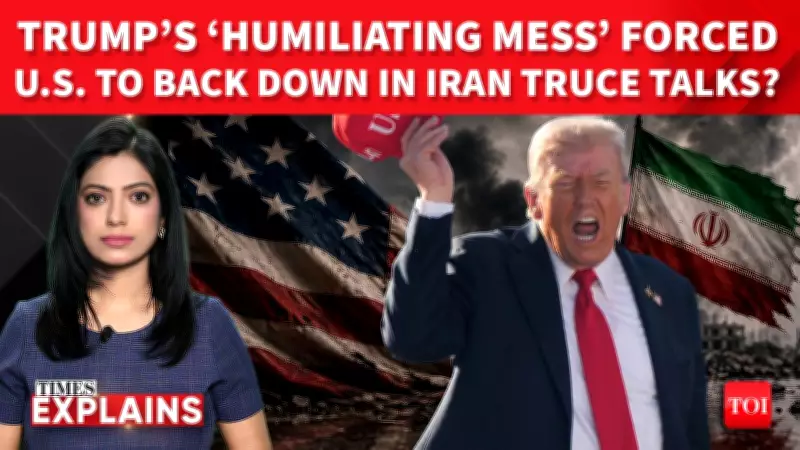
Iran Gains Strategic Advantage as US Ceasefire Talks Face Setbacks
In a dramatic turn of events, what began as a show of American dominance has transformed into a scenario where Iran appears to be dictating the pace of negotiations. Recent developments in ceasefire talks have exposed significant challenges in the United States' approach, with delays and extensions raising questions about strategic execution.
The Shift in Momentum
Initial plans for a swift resolution have given way to prolonged discussions, with Iran demonstrating remarkable resilience in the face of pressure. Rather than seeking dramatic victories, Tehran has adopted a strategy of relentless endurance, absorbing diplomatic and military pressures while maintaining its position.
Key elements of Iran's approach include:

- Strategic patience in negotiations
- Absorption of external pressures without significant concessions
- Control over the timing and pace of diplomatic engagement
Analysis of US Strategy
The American approach, characterized by high-stakes gambles and public displays of strength, has encountered unexpected resistance. What was intended as a demonstration of resolve has instead revealed vulnerabilities in execution and timing.
Observers note several concerning developments:
- Last-minute ceasefire extensions that appear reactive rather than strategic
- Perceived retreats under pressure from Iranian steadfastness
- Cracks in what was meant to be a unified front of dominance
The Broader Context
This diplomatic standoff occurs against a backdrop of regional tensions and military posturing. While war rooms monitor developments and military assets remain on alert, the primary battlefield has shifted to negotiation tables where endurance and timing have become critical factors.
The current situation represents a significant departure from initial expectations, with Iran successfully transforming its capacity for endurance into a tangible advantage. This development has implications not only for immediate ceasefire terms but also for the broader balance of power in regional diplomacy.
As negotiations continue, the ability of either side to maintain strategic consistency while adapting to evolving circumstances will likely determine the final outcome of these high-stakes discussions.