

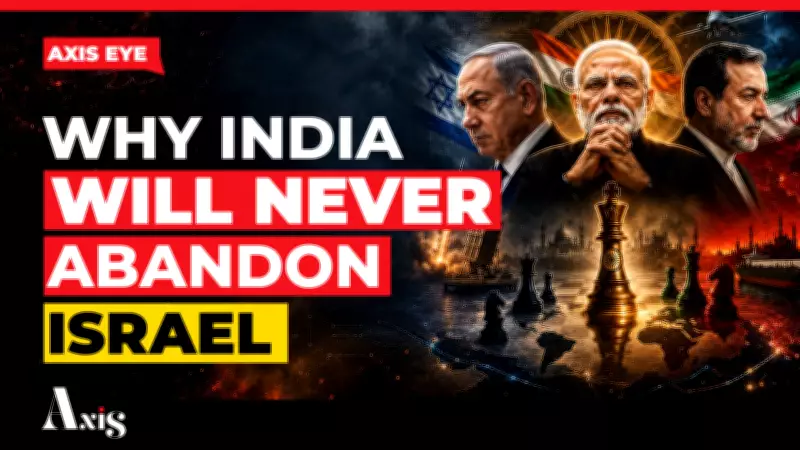
Iran’s Foreign Minister Abbas Araghchi has arrived in India for the BRICS summit, but this visit goes far beyond routine diplomacy. It serves as a stress test for India’s foreign policy at a time when West Asia is on edge. The central question is whether India can balance its historic ties with Iran while deepening its strategic partnership with Israel.
Why the Binary Choice Is Outdated
In this report, we break down why the idea that India must choose one side is outdated. From the Kargil War to cutting-edge defence cooperation, Israel remains deeply embedded in India’s security architecture. Simultaneously, Iran continues to be important for energy security and connectivity through the Chabahar port.
India’s Real Strategy: Calculated Multi-Alignment
So what is India’s real strategy? It is not neutrality but calculated multi-alignment. As global fault lines sharpen, India is making one thing clear: it will not abandon strategic advantages for optics. The Modi government’s approach is to engage both Iran and Israel pragmatically, securing energy supplies and trade routes while maintaining robust defence ties.

Key Elements of the Balancing Act
- Energy Security: Iran remains a key source of oil and gas, and Chabahar port offers access to Central Asia.
- Defence Cooperation: Israel is a major supplier of advanced military technology, including missile systems and drones.
- Diplomatic Outreach: India maintains dialogue with both sides, avoiding alignment in regional conflicts.
This geopolitical balancing act is shaping India’s future as a global power. Watch this deep dive into how India navigates competing interests in West Asia.






