

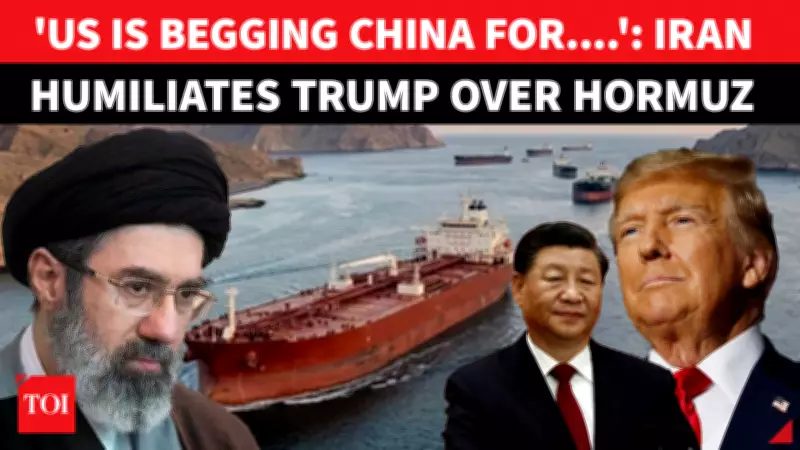
Iran Derides US After Trump Appeals to China and Others for Strait of Hormuz Assistance
In a sharp rebuke, Iran's Foreign Minister Hossein Amir-Abdollahian Araghchi has mocked former US President Donald Trump's assertion that a coalition of nations would deploy warships to ensure the Strait of Hormuz remains open. Araghchi pointed out that Washington listed five countries without securing a single confirmation, highlighting the diplomatic isolation faced by the US.
US 'Begging' for Help, Says Iranian Official
"The US is now begging others, even China, to help it make Hormuz safe," Araghchi wrote in a social media post, emphasizing the irony of the situation. This comment underscores Iran's stance that the US lacks reliable allies in the region, particularly as tensions escalate over maritime security in the critical waterway.
Iran maintains that the strait is only closed to vessels of its enemies, with two Indian-flagged tankers crossing safely on Saturday, demonstrating operational access. However, the broader context reveals a troubling pattern: 17 maritime incidents have been reported since February 28, including 13 confirmed attacks, raising concerns about safety and stability.

Escalating Tensions and Regional Dynamics
The US Navy has informed the shipping industry that providing escorts through the strait is not feasible, citing logistical and strategic challenges. This admission adds to the complexity of securing one of the world's most vital oil chokepoints, through which approximately 20% of global oil shipments pass.
Amplifying Araghchi's rhetoric, Iran's new Supreme Leader Mojtaba Khamenei has called for Gulf states to expel foreign forces, framing it as a move toward regional sovereignty. This demand aligns with Iran's broader strategy to reduce US influence in the Middle East and assert its dominance in Persian Gulf affairs.
Broader Implications for Global Trade and Diplomacy
- The Strait of Hormuz remains a flashpoint in US-Iran relations, with potential impacts on global energy markets.
- China's role, as hinted by Trump's appeal, could reshape geopolitical alliances, given its economic interests in the region.
- Maritime incidents continue to pose risks to commercial shipping, necessitating international attention and cooperation.
As diplomatic exchanges intensify, the situation underscores the fragile balance of power in the Gulf, with Iran leveraging its geographic advantage to challenge US policies. The lack of confirmed support for Trump's proposed coalition reflects broader skepticism about US-led initiatives in the region.






