

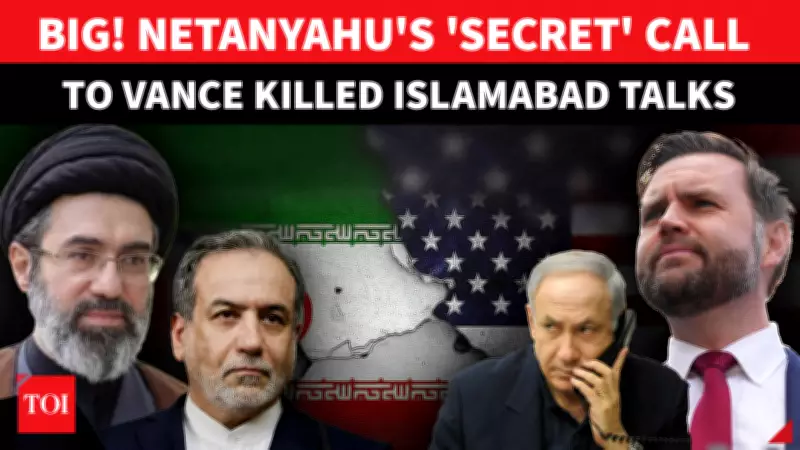
Iran's Explosive Allegation: Netanyahu Call 'Hijacked' US Agenda During Pakistan Negotiations
In a stunning diplomatic revelation, Iran has accused Israeli Prime Minister Benjamin Netanyahu of fundamentally altering the course of high-stakes US-Iran negotiations through a single phone call. The explosive claim centers on an unscheduled conversation between Netanyahu and US Vice President JD Vance that occurred during critical talks in Islamabad, Pakistan.
The Alleged Interruption That Changed Everything
According to Iran's Foreign Minister Abbas Araghchi, the Netanyahu-Vance phone call didn't merely interrupt the delicate negotiations between American and Iranian officials. The Iranian minister asserts that this communication effectively "hijacked" the United States' diplomatic agenda, shifting the entire direction and tone of the discussions at a crucial moment.
The talks in Islamabad represented a significant diplomatic effort between the United States and Iran, with both sides navigating complex issues including regional security concerns and economic considerations. The negotiations were reportedly progressing through established channels when the unexpected communication from the Israeli leader occurred.

Diplomatic Fallout and Growing Controversy
The Iranian allegation has sparked growing international controversy and raised serious questions about third-party influence in bilateral negotiations. Foreign Minister Araghchi's statement suggests that what began as routine diplomatic engagement transformed dramatically following Netanyahu's intervention, with the Israeli leader's perspectives reportedly receiving immediate attention from American negotiators.
This development comes amid already tense regional dynamics and represents a significant diplomatic challenge for all parties involved. The timing of the alleged interference during live negotiations in a third country adds layers of complexity to an already delicate diplomatic situation.
Broader Implications for Regional Diplomacy
The Iranian claim highlights the intricate web of relationships and influences that characterize Middle Eastern diplomacy. The allegation that a single phone call could substantially redirect major power negotiations underscores the fragile nature of international diplomacy in the region.
This incident raises important questions about protocol, sovereignty, and the independence of bilateral negotiations when third parties become involved. The Iranian foreign minister's characterization of the event as a "hijacking" of the American agenda suggests a perception of compromised negotiation autonomy that could have lasting implications for future diplomatic engagements in the region.
As diplomatic circles analyze these developments, the focus remains on how such alleged interventions might affect ongoing and future negotiations between global powers and regional actors. The Islamabad talks, according to Iranian officials, represent a case study in how external influences can potentially derail carefully constructed diplomatic processes.






