

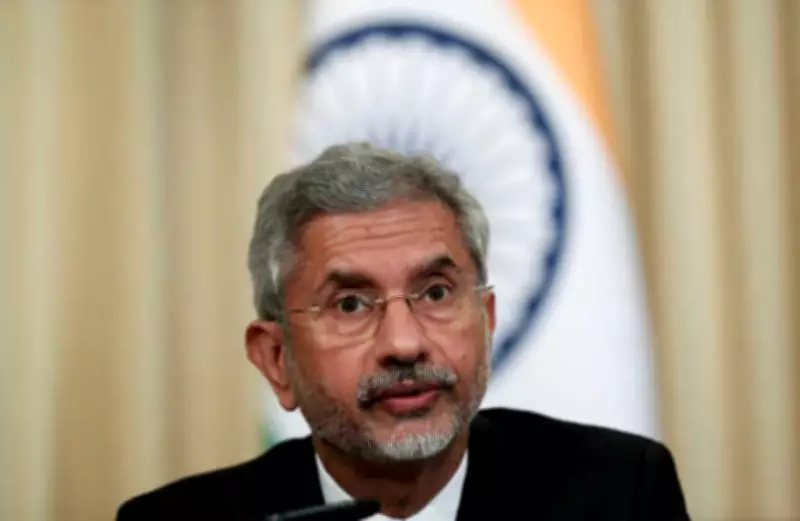
Iran's top diplomat, Abbas Araghchi, and India's External Affairs Minister, S. Jaishankar, held discussions regarding the evolving situation in Iran, as former U.S. President Donald Trump ramps up pressure on the nuclear deal. The meeting, which took place on the sidelines of a multilateral conference, focused on the implications of the renewed tensions surrounding the Joint Comprehensive Plan of Action (JCPOA).
Key Highlights of the Discussion
The dialogue between Araghchi and Jaishankar underscored the importance of maintaining regional stability and the need for diplomatic engagement. Both leaders expressed concern over the escalating rhetoric from Washington, which threatens to unravel the fragile agreement. India, as a major energy consumer and a stakeholder in regional security, has consistently advocated for dialogue and restraint.
India's Stance on the Iran Nuclear Deal
India has historically supported the JCPOA, viewing it as a crucial element for peace in the Middle East. The deal, signed in 2015, aimed to curb Iran's nuclear program in exchange for sanctions relief. However, Trump's withdrawal from the agreement in 2018 and his subsequent 'maximum pressure' campaign have complicated the scenario. Jaishankar reiterated India's commitment to a rules-based international order and urged all parties to adhere to the terms of the accord.

Geopolitical Implications
The evolving situation in Iran has far-reaching consequences for global energy markets, trade routes, and regional security. India, which imports a significant portion of its oil from the Middle East, is particularly vulnerable to disruptions. The discussions also touched upon the potential impact on the Chabahar port project, a strategic initiative that allows India to bypass Pakistan and access Central Asia.
Trump's Pressure Tactics
Trump's renewed pressure on the nuclear deal comes amid his campaign for the upcoming presidential election. His administration has been pushing for a snapback of UN sanctions against Iran, a move that could isolate Tehran further. Critics argue that such measures could backfire, leading to increased instability in the region. Araghchi warned that any unilateral action would be met with a firm response from Iran.
Future Prospects
The meeting between Araghchi and Jaishankar signals a continued effort by India to engage with Iran despite external pressures. Both sides agreed to maintain diplomatic channels and explore avenues for cooperation. The outcome of these discussions could shape the trajectory of India-Iran relations and influence the broader dynamics of the Middle East.
As the situation develops, the international community watches closely. The fate of the nuclear deal hangs in the balance, with implications for non-proliferation and regional peace. India's role as a bridge between East and West may become increasingly pivotal in the days ahead.






