

Iran Nuclear Talks Commence in Oman with Positive Start, Aim to Ease Regional Tensions
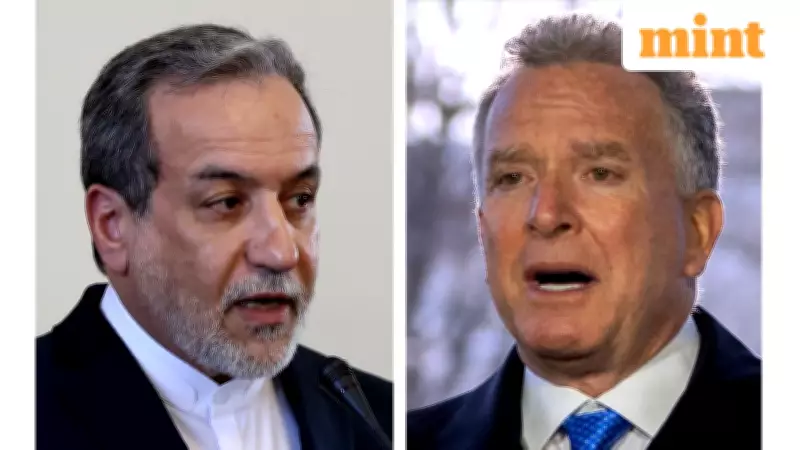
Iran's Foreign Minister, Abbas Araqchi, announced on Friday that the U.S.–Iran nuclear negotiations, facilitated by Oman, have initiated on a promising note. The discussions, held in Muscat, the Omani capital, are viewed as a critical step toward mitigating apprehensions that a breakdown in diplomacy could escalate into a broader conflict across the Middle East.
Key Participants and Initial Statements
The talks featured significant figures, including Araqchi representing Iran, alongside U.S. special envoy Steve Witkoff and Jared Kushner, the son-in-law of former U.S. President Donald Trump. Following the meeting, Araqchi emphasized that any productive dialogue necessitates the avoidance of threats and pressure. He clarified that Tehran is solely focused on discussing its nuclear program and will not engage with the United States on other matters.
"It was a good start to the negotiations," Araqchi stated in an interview with Iran's state television. "And there is an understanding on continuing the talks. Coordination on how to proceed will be decided in the capitals. If this process continues, I think we will reach a good framework for an understanding."

Diverging Agendas and Core Demands
While both nations have expressed a readiness to revive diplomacy concerning Iran's longstanding nuclear dispute with Western powers, their objectives diverge significantly. The United States, as articulated by U.S. Secretary of State Marco Rubio, aims to expand the negotiations to encompass Iran's ballistic missile program, its support for armed factions throughout the region, and its domestic human rights practices.
Conversely, Iran remains steadfast in its position. A regional diplomat, briefed by Tehran, revealed that Iran adamantly asserted its "right to enrich uranium" during the discussions. The diplomat further noted that Tehran's missile capabilities were not addressed in these initial talks. Iranian officials have consistently rejected any dialogue regarding their missile arsenal, one of the most substantial in the Middle East, and seek formal recognition of their uranium enrichment rights.
Sanctions and Economic Pressure
Amidst the diplomatic efforts, the United States intensified its economic pressure on Iran. President Trump signed an executive order imposing a 25% tariff on imports from any country engaging in trade with Iran, directly or indirectly. This action fulfills a threat issued the previous month. The White House clarified that this measure is designed to discourage third nations from maintaining commercial relationships with Iran, particularly in crucial revenue-generating sectors such as energy, metals, and petrochemicals.
Simultaneously, the U.S. imposed sanctions on 15 entities and 14 shadow-fleet vessels involved in the illicit trade of Iranian oil, petroleum products, and petrochemicals. These sanctions represent the latest in a series of economic measures targeting Tehran's trade activities.
Potential Compromises and Regional Concerns
Despite Iran's firm rejection of Washington's demand for zero enrichment on its soil, the unnamed diplomat indicated Tehran's openness to negotiating the "level and purity" of enrichment. Alternative arrangements, including a potential regional consortium, were also reportedly discussed. In exchange, Iran presented several demands, such as "efficient and immediate sanctions relief, including banking and oil, and the moving of U.S. military assets away from Iran."
For the United States, permitting enrichment activities within Iran—a potential pathway to nuclear weapons—remains a critical red line. Tehran has persistently denied any intention to weaponize nuclear fuel production. The diplomat suggested that U.S. negotiators appeared to comprehend Iran's stance on enrichment.
Oman's Mediation and Regional Security Dynamics
Oman's Foreign Minister and mediator, Badr al-Busaidi, characterized the talks as "very serious." He mentioned that the outcomes would be meticulously reviewed in both Tehran and Washington, with plans to reconvene in the future.

Regional security concerns loom large over the negotiations. Iran's leadership is deeply apprehensive about the possibility of Trump executing his threats to strike the country, especially following a U.S. naval buildup in regional waters. This military presence, described by Trump as a massive "armada," has heightened tensions, particularly after a government crackdown on protests in Iran last month.
Fears of Escalating Conflict
Global and regional powers are increasingly anxious that a collapse in the negotiations could ignite a new conflict between the U.S. and Iran, potentially destabilizing the broader oil-producing region. Iran has vowed a severe retaliation to any attack and cautioned neighboring Gulf Arab states hosting U.S. bases that they could become targets if they participate in any offensive action.
In a display of defiance, Iranian state television announced hours before the talks that one of the country's most advanced long-range ballistic missiles, the Khorramshahr-4, had been deployed at an underground "missile city" operated by the Revolutionary Guard.
Trump remarked to reporters, "I think Iran looks like they want to make a deal very badly," adding that his team would meet with the Iranians again early the following week. He reiterated, "No nuclear weapons for Iran," and noted, "We have plenty of time." However, he also warned that "bad things" could occur if an agreement is not reached, amplifying pressure in a standoff marked by mutual threats of air strikes.





