

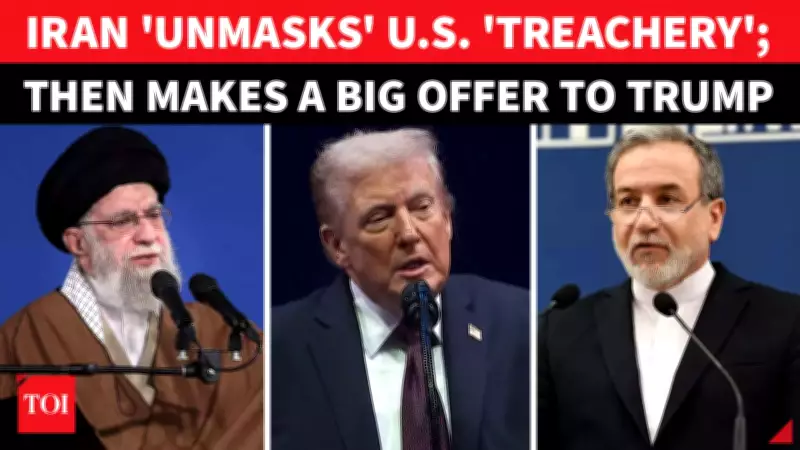
Iran Extends Olive Branch to Trump Administration from NATO Territory Amid Rising Tensions
In a dramatic diplomatic move from within NATO territory, Iranian Foreign Minister Abbas Araghchi declared on Friday that Tehran is ready to restart nuclear negotiations with the United States. This announcement signals a potential opening for renewed diplomacy between the long-standing adversaries, even as military tensions simmer in the Middle East.
Conditions for Meaningful Dialogue
Speaking at a press conference, Araghchi emphasized that any substantive progress in talks hinges on one critical precondition: the Trump administration must cease what he characterized as persistent threats of military action against Iran. The Foreign Minister argued that such intimidation tactics are counterproductive, stating they "would not force Iran into concessions" but would instead erode the very foundation of trust necessary for successful diplomacy.
Iran's Firm Stance on Negotiation Principles
Araghchi reiterated Iran's commitment to pursuing dialogue, but laid out clear parameters for any future engagement. He insisted that negotiations must be grounded in:

- Mutual respect between both nations
- Tangible security guarantees for Iran
- A complete end to hostile rhetoric emanating from Washington
The Foreign Minister's remarks underscore Tehran's determination to enter any discussions from a position of strength, rather than from perceived weakness under pressure.
Geopolitical Context of the Offer
The timing and location of this diplomatic overture are particularly significant. By making this announcement from NATO territory, Iran appears to be leveraging international diplomatic channels to amplify its message to the Trump administration. This comes against a backdrop of escalating regional tensions, with recent military movements and rhetoric suggesting the potential for conflict.
Araghchi's warning that "when the fighting erupts" opportunities for diplomacy diminish serves as both a caution and an invitation. The Iranian diplomat essentially presented the Trump administration with a choice: pursue the path of dialogue based on the outlined conditions, or risk further escalation that could close diplomatic avenues entirely.
This development represents one of the most direct offers for renewed nuclear talks since the collapse of the previous agreement, though it comes with firm conditions that may challenge the current administration's approach to Iran policy.






