Iran Rejects Some Trump Red Lines in Geneva Nuclear Talks, Vance Says
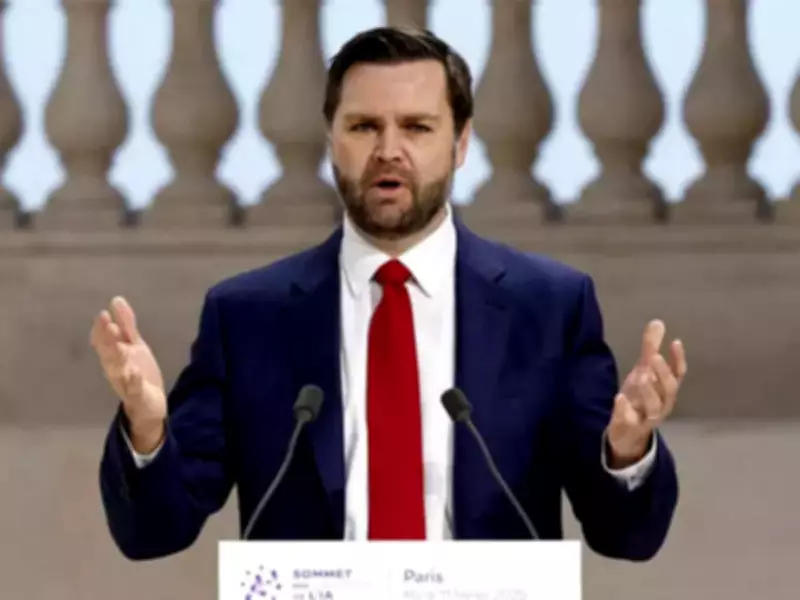
Iran has not accepted all of the "red lines" outlined by US President Donald Trump for a diplomatic resolution, Vice President JD Vance said on Tuesday following the second round of talks in Switzerland's Geneva. The discussions, mediated by Oman, were intended to avert possible US military intervention against Iran's nuclear program, coming weeks after the cleric-run Islamic Republic reportedly killed thousands while suppressing mass protests.
Vance Emphasizes Diplomatic Efforts with Military Option Reserved
Vance suggested that the United States remains open to diplomacy, even after Trump warned that military action could be considered if Iran's clerical leadership fails to address key concerns, starting with its nuclear program. "In some ways, it went well; they agreed to meet again," Vance told Fox News. "But in other ways, it was clear that the president has established certain red lines that the Iranians are not yet prepared to recognize or work through," he added.
"We will continue to pursue diplomatic efforts. However, the president reserves the right to determine when diplomacy has run its course. We hope it doesn't come to that, but if it does, the decision will be the president's," Vance said. For years, Tehran has sought relief from sweeping US sanctions, including restrictions preventing other countries from buying Iranian oil.

Iranian Foreign Minister Reports Progress on Guiding Principles
Meanwhile, Iranian foreign minister Abbas Araghchi, who participated in the talks with US special envoy Steve Witkoff and Trump's son-in-law Jared Kushner in Geneva, said Tehran and Washington had reached agreement on "guiding principles" for a potential deal aimed at preventing conflict. "Ultimately, we were able to reach broad agreement on a set of guiding principles, based on which we will move forward and begin working on the text of a potential agreement," Araghchi told Iranian state television after the talks.
He described them as "more constructive" than the first round held earlier this month. He also cautioned, however, that it "would take time to narrow" the differences between the two countries. The talks highlight the ongoing tension between diplomatic engagement and the threat of military action as both nations navigate complex geopolitical challenges.