Iran Rejects Peace Negotiations, Criticizes U.S. 'Excessive Demands'
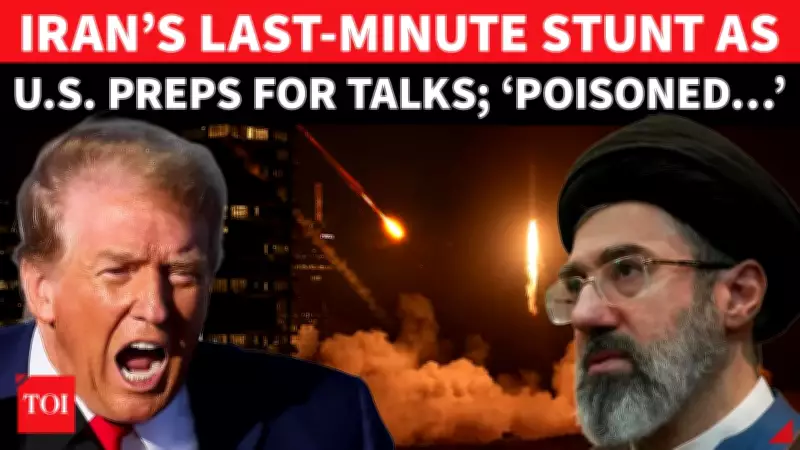
In a significant diplomatic setback, Iran has flatly rejected the idea of returning to peace talks, just as a second round of negotiations was being planned in Islamabad. Authorities in Tehran cited what they called Washington's "excessive demands" and contradictory positions as key reasons for their refusal.
Iran Accuses U.S. of Violating Ceasefire with Naval Blockade
Iranian officials have specifically pointed to an ongoing naval blockade that they claim violates the existing ceasefire agreement. State media and government representatives have framed this blockade as illegal and part of U.S. pressure tactics aimed at undermining diplomatic efforts.
The diplomatic atmosphere has been described as "bleak" by Iranian sources, who maintain that the environment is not conducive to productive dialogue. This rejection comes despite preparations by mediators and U.S. envoys to travel to Pakistan in hopes of salvaging the peace process.

Background of Tensions and International Context
The refusal to engage in talks highlights the deepening rift between Iran and the United States under the Trump administration. Iranian authorities have consistently criticized what they perceive as aggressive posturing from Washington, including:
- Unilateral demands that contradict previous agreements
- Military deployments in the Gulf region
- Economic sanctions and diplomatic isolation efforts
This development occurs against a backdrop of heightened regional tensions, with recent incidents including naval confrontations and military alerts adding to the volatility. The planned talks in Islamabad were seen as a potential breakthrough opportunity, but Iran's firm stance suggests diplomatic progress remains elusive.
Implications for Regional Stability
The rejection of peace negotiations raises serious concerns about the future of diplomatic engagement between Iran and the United States. With both sides maintaining hardened positions, the risk of escalation increases, particularly given:
- The strategic importance of the Gulf region for global energy supplies
- Ongoing proxy conflicts involving regional allies of both nations
- Recent military deployments and exercises in the area
International observers and mediators now face the challenging task of finding alternative pathways to dialogue, as direct negotiations appear to have reached another impasse. The situation underscores the complex geopolitical dynamics at play in Middle Eastern diplomacy.