

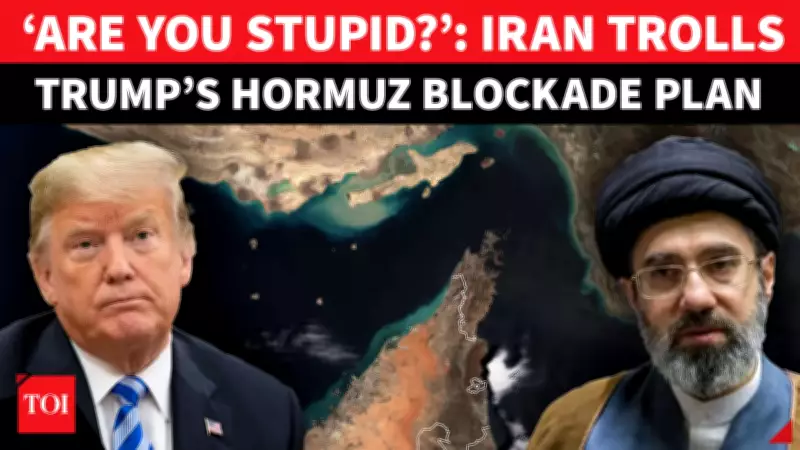
Iran Fires Back at Trump's Hormuz Blockade Strategy
Iran has issued a sharp and defiant response to recent U.S. threats regarding control over the critical Strait of Hormuz, labeling the escalating crisis as a 'self-made problem' by American leadership. The Islamic Republic has warned that any attempt to impose a blockade on this vital maritime passage would only serve to exacerbate existing global disruptions, further paralyzing international shipping and supply chains.
Diplomacy Versus Threats in the Strait Standoff
The tense standoff between Tehran and Washington intensified significantly following remarks made by former U.S. President Donald Trump and his running mate JD Vance, which came on the heels of failed diplomatic talks. In a bold countermove, Iran has emphasized that diplomacy remains the only viable solution to de-escalate the situation, even as it controversially proposes implementing tolls on vessels transiting the strategic waterway.
This proposal has added another layer of complexity to an already volatile scenario, with Iranian officials asserting that the Strait of Hormuz cannot be effectively closed since it is, in their view, already a constrained and heavily monitored passage. The rhetoric from Tehran underscores a firm stance against what it perceives as external coercion.

Global Shipping Paralyzed as Tankers Remain Stranded
Meanwhile, the practical impact on global maritime operations has been severe. Shipping through the Strait of Hormuz remains largely paralyzed, with hundreds of oil tankers and cargo vessels stranded and few operators willing to risk entry into the contested waters. This logjam has created a bottleneck that threatens to disrupt essential supply chains for months to come.
Industry experts and analysts are sounding alarms, warning that key commodities such as crude oil and fertilizers could face prolonged shortages and price volatility. Despite a fragile ceasefire currently in place, the underlying tensions continue to pose a significant threat to regional and global economic stability.
Broader Implications for International Relations
The ongoing dispute highlights the fragile nature of international diplomacy in the Middle East and the potential for miscalculations to trigger wider conflicts. Iran's assertive posture, coupled with the U.S.'s strategic military deployments, including the reported sending of two destroyers to the region, suggests that both sides are preparing for various contingencies.
As negotiations stall and rhetoric escalates, the world watches closely, aware that the Strait of Hormuz is not just a local flashpoint but a critical artery for global energy supplies. The outcome of this standoff could have far-reaching consequences for international trade, security frameworks, and geopolitical alliances in the coming months.






